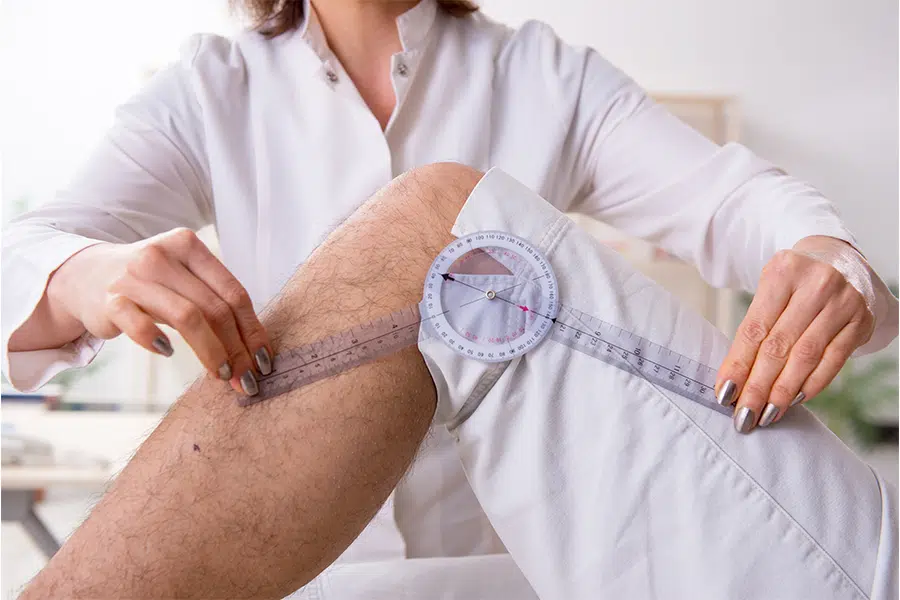
What Is Manipulation Under Anesthesia (MUA)?
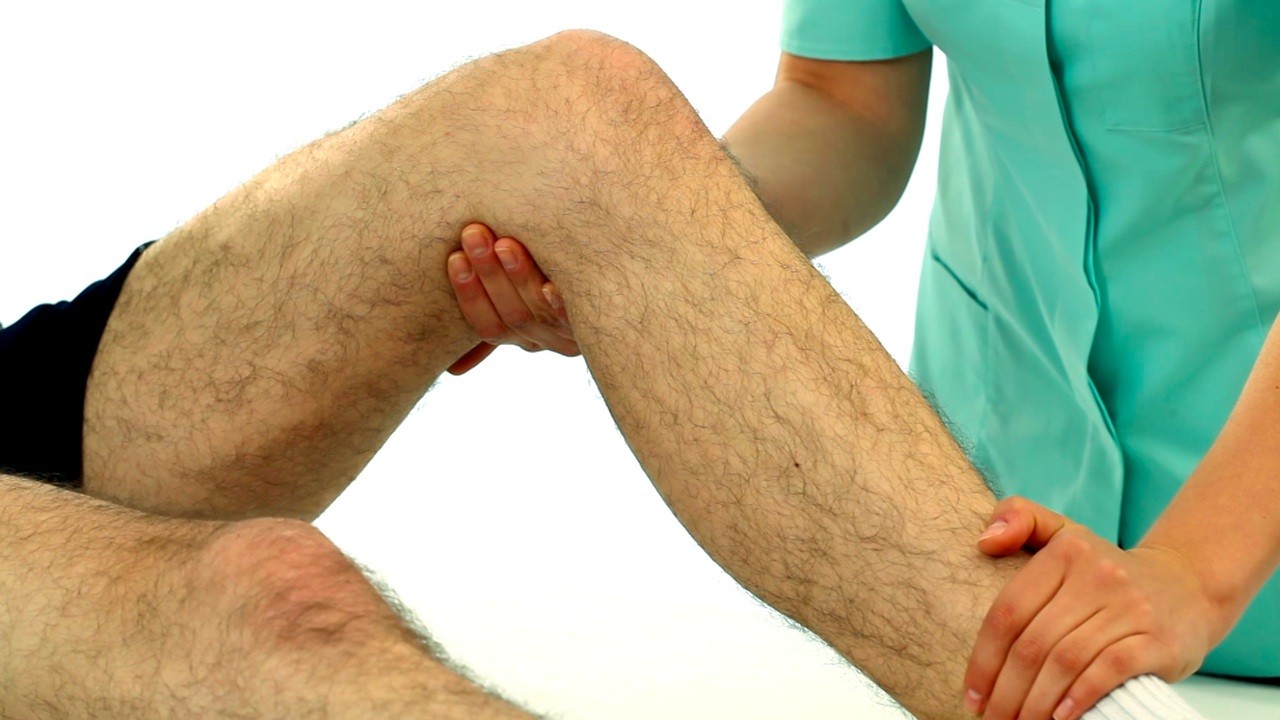
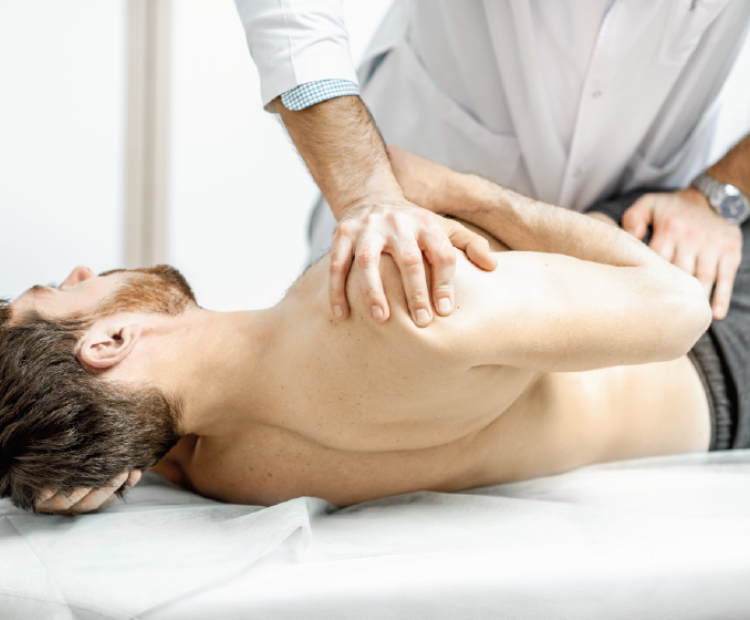
Manipulation Under Anesthesia (MUA) is a non-invasive procedure designed to treat chronic pain and restricted joint mobility when conservative treatments have not provided sufficient relief. During MUA, a patient is placed under light sedation while a trained physician performs specific stretching and mobilization techniques to improve range of motion and reduce pain.
Because the patient is relaxed under anesthesia, muscle guarding and resistance are minimized, allowing for deeper, controlled mobilization of affected joints and soft tissues.
Conditions Treated with MUA
MUA may be recommended for patients experiencing:
- Chronic neck or back pain
- Herniated or bulging discs
- Failed back or neck surgery syndrome
- Scar tissue formation (adhesions)
- Fibromyalgia
- Frozen shoulder
- Chronic muscle spasms
- Joint stiffness following injury or surgery
It is typically considered after conservative treatments such as physical therapy, chiropractic care, medications, or injections have not produced lasting results.
How the Procedure Works
-
Pre-Procedure Evaluation
A thorough medical assessment is performed to determine candidacy. This may include imaging studies, medical history review, and physical examination. -
Light Sedation
The procedure is performed in an outpatient surgical setting. An anesthesiologist administers light sedation to ensure patient comfort and safety. -
Gentle Manipulation
While the patient is relaxed, the physician performs controlled stretching and mobilization to break up scar tissue, release adhesions, and restore joint mobility. -
Post-Procedure Therapy
After MUA, follow-up therapy is essential. Patients typically participate in physical therapy or chiropractic care to maintain improvements and prevent scar tissue from reforming.
Benefits of Manipulation Under Anesthesia
- Improved range of motion
- Reduced chronic pain
- Decreased muscle spasms
- Breakdown of scar tissue and adhesions
- Non-surgical alternative for chronic conditions
- Outpatient procedure with minimal downtime
Many patients report noticeable improvement in mobility and pain levels shortly after treatment.
Is MUA Safe?
Manipulation Under Anesthesia is considered safe when performed by qualified healthcare professionals in a controlled medical setting. As with any medical procedure involving anesthesia, there are risks, which are discussed during your consultation.
A comprehensive evaluation ensures that only appropriate candidates undergo the procedure.
What to Expect After Treatment
Following MUA, patients may experience mild soreness similar to an intense physical therapy session. A structured rehabilitation plan is critical to maintain results and support long-term recovery.
Most individuals resume normal activities within a short period, depending on their condition and physician recommendations.
Is Manipulation Under Anesthesia Right for You?
If you have chronic pain that has not responded to conservative care, Manipulation Under Anesthesia may provide a solution without surgery. A consultation with our medical team can determine whether this treatment is appropriate for your specific condition.