What Is Radiofrequency Ablation?
Advanced, Long-Lasting Pain Relief Without Surgery
If you are struggling with chronic neck, back, or joint pain that has not responded to conservative care, Radiofrequency Ablation (RFA) may provide lasting relief. This minimally invasive procedure targets the nerves responsible for transmitting pain signals, helping patients return to normal activities with significantly reduced discomfort.
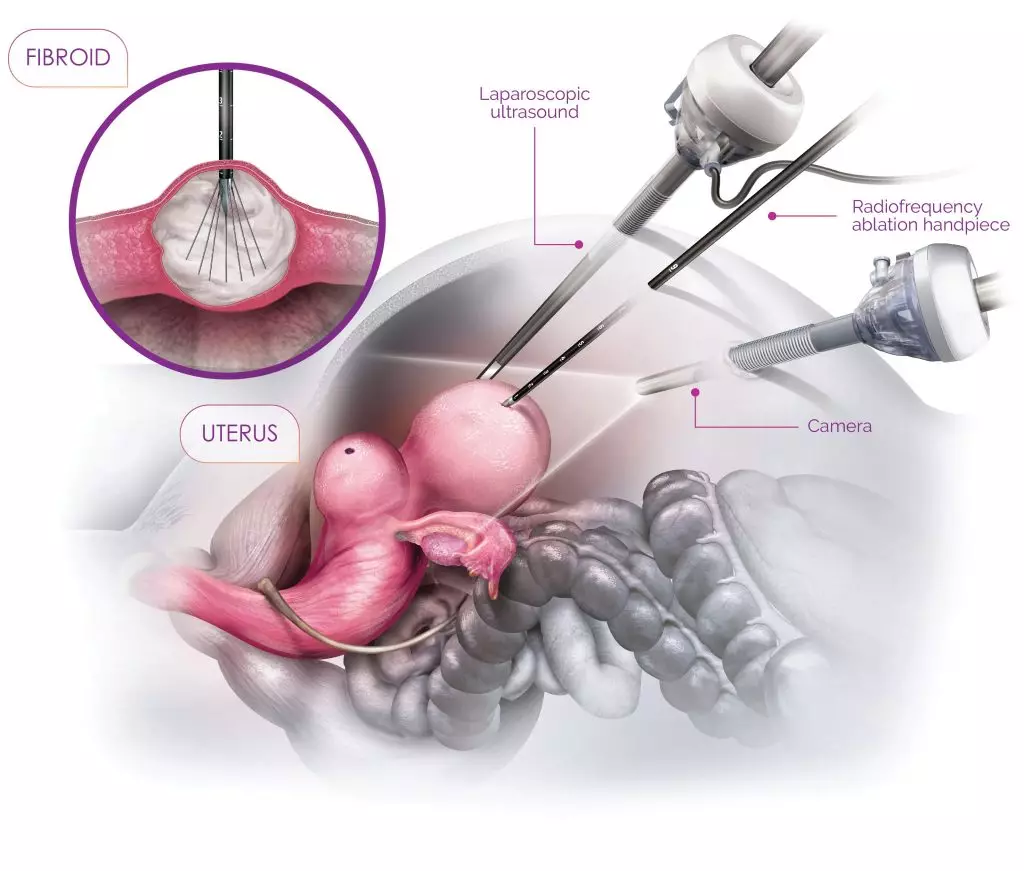
Radiofrequency Ablation (also called radiofrequency neurotomy) is a safe, outpatient procedure that uses controlled heat generated by radio waves to disrupt specific nerves that are sending pain signals to the brain. By interrupting these pain signals, RFA can provide relief that lasts 6 to 18 months — and sometimes longer.
What Conditions Can RFA Treat?
RFA is commonly used to treat:
- Chronic neck pain
- Chronic low back pain
- Facet joint arthritis
- Sacroiliac (SI) joint pain
- Pain following whiplash injuries
- Degenerative joint conditions
- Certain types of knee or shoulder pain
It is especially effective for patients who received temporary relief from diagnostic nerve blocks.
How the Procedure Works
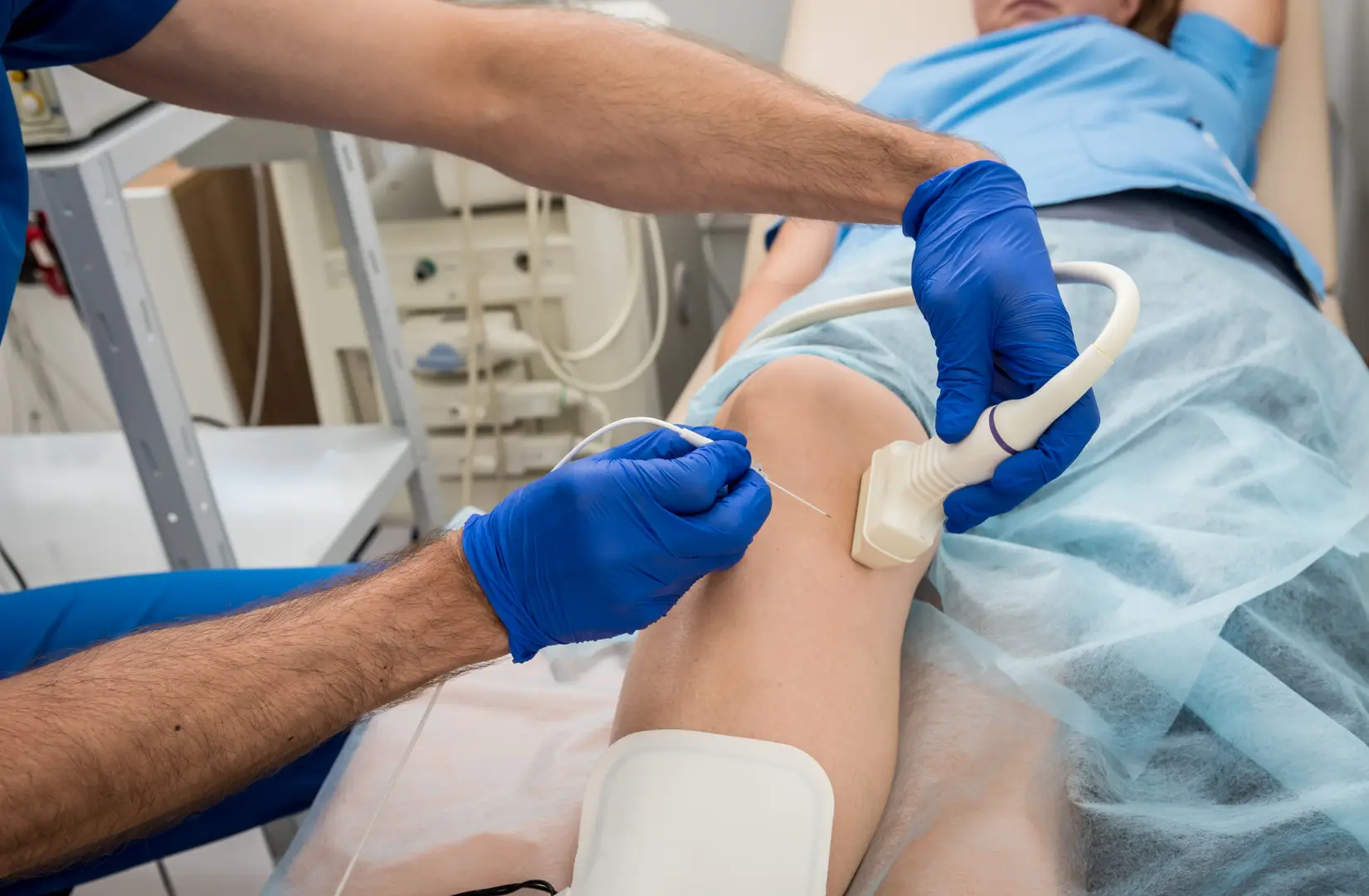
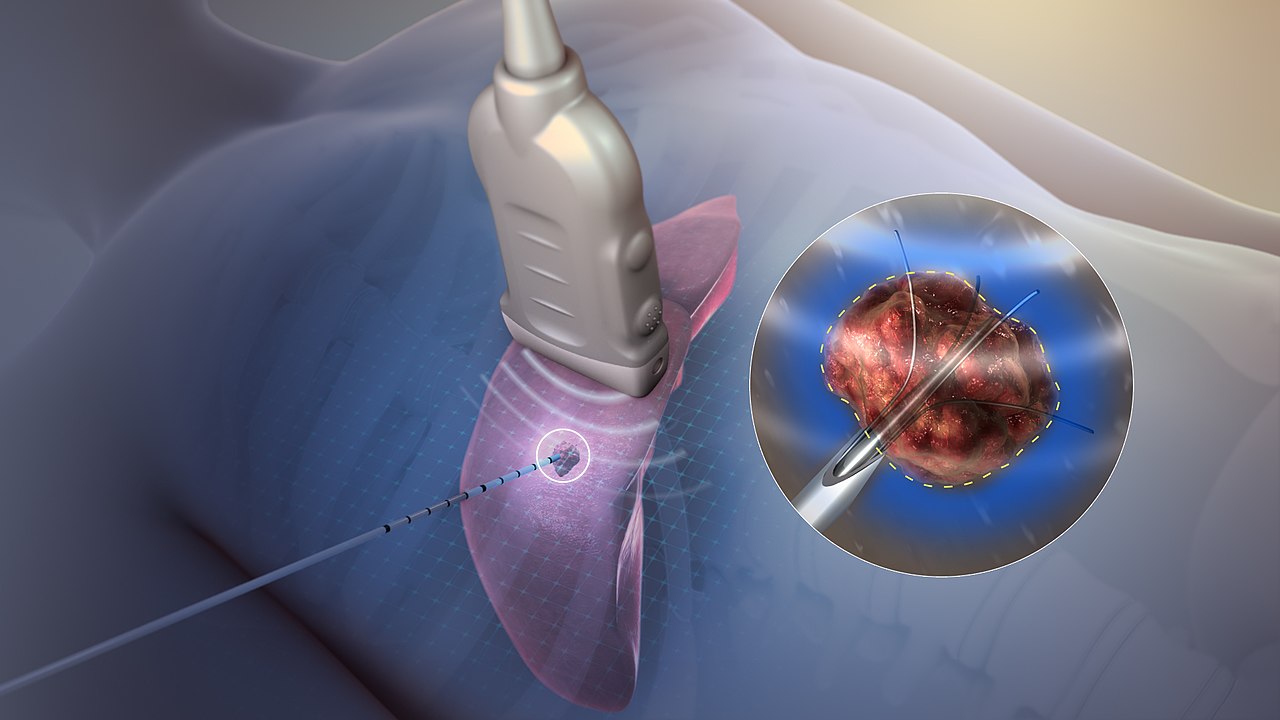
- A small needle is precisely guided to the targeted nerve using imaging technology.
- A local anesthetic numbs the treatment area.
- Controlled radiofrequency energy heats the nerve tissue.
- The nerve’s ability to transmit pain signals is disrupted.
Benefits of Radiofrequency Ablation
- Long-lasting pain relief
- Minimally invasive
- No general anesthesia required
- Little to no downtime
- Reduced need for pain medications
- Improved mobility and function
Many patients resume light activities within 24–48 hours.
Is RFA Right for You?
You may be a candidate for RFA if:
-
You have chronic pain lasting more than 3–6 months
-
Conservative treatments (physical therapy, chiropractic care, medications, injections) have not provided lasting relief
-
You experienced significant temporary relief from diagnostic nerve blocks
A thorough evaluation and imaging review are necessary to determine candidacy.
What to Expect After Treatment
Some patients experience mild soreness for a few days following the procedure. Pain relief may begin within 1–3 weeks as the treated nerve fully stops transmitting pain signals.
Because nerves can regenerate over time, the procedure can be repeated if necessary.
Schedule a Consultation
If chronic pain is limiting your quality of life, Radiofrequency Ablation may be an effective solution. Our team will evaluate your condition, explain your options, and create a personalized treatment plan designed to help you move comfortably again.
Contact us today to schedule your consultation.