If you’re dealing with chronic joint pain and want to avoid surgery or long-term medication use, you’ve probably heard about PRP therapy. But does it actually work—and is it worth considering?
At Laser Pain Center, PRP (Platelet-Rich Plasma) therapy is one of the most advanced regenerative medicine treatments available for patients looking to heal naturally and reduce pain at the source.
In this guide, we’ll break down what PRP therapy is, how it works, and whether it’s the right solution for your joint pain.
What Is PRP Therapy?
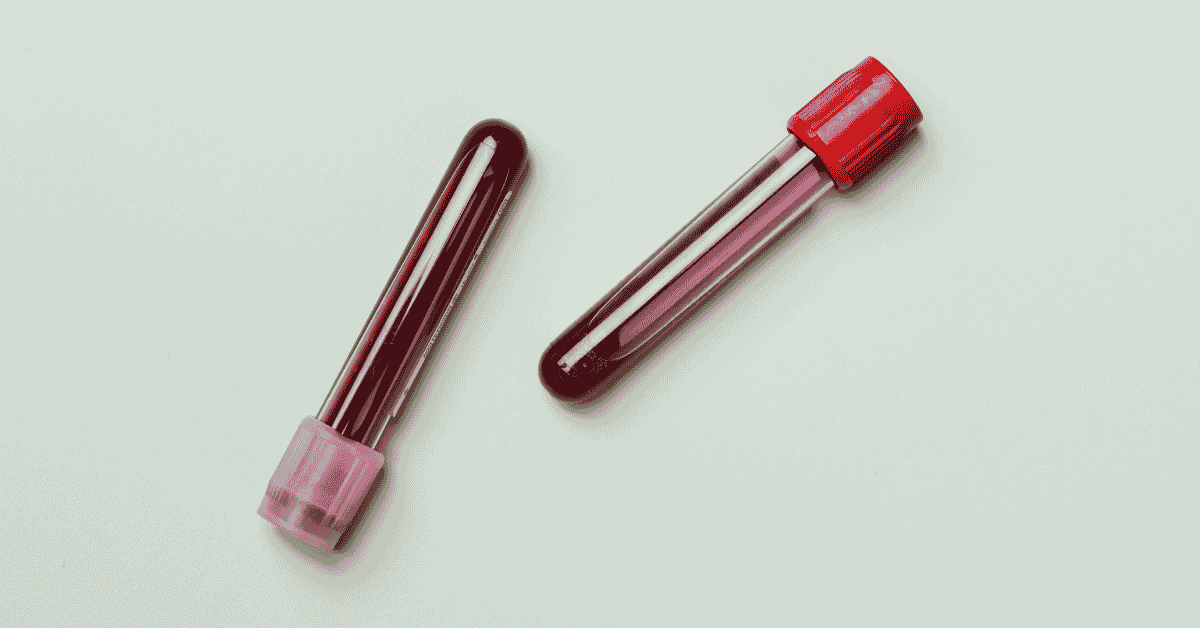
PRP therapy stands for Platelet-Rich Plasma therapy, a treatment that uses your body’s own blood to promote healing.
Here’s how it works:
- A small sample of your blood is drawn
- It’s processed to concentrate platelets (rich in growth factors)
- The PRP is injected into the affected joint or tissue
These platelets release proteins that help:
- Repair damaged tissue
- Reduce inflammation
- Stimulate natural healing
At Laser Pain Center, PRP is used as a non-surgical option for a variety of musculoskeletal conditions.
What Conditions Can PRP Treat?
PRP therapy is commonly used for:
- Knee pain and osteoarthritis
- Shoulder injuries
- Hip pain
- Tendonitis
- Ligament injuries
- Sports-related injuries
It’s especially popular among patients who want to stay active and avoid invasive procedures.
How Does PRP Help Joint Pain?
Joint pain is often caused by:
- Wear and tear (arthritis)
- Inflammation
- Soft tissue damage
PRP works by targeting these issues directly:
- Reduces inflammation in the joint
- Promotes cartilage and tissue repair
- Improves joint function and mobility
At Laser Pain Center, PRP is often combined with other therapies to enhance results and support long-term recovery.
Benefits of PRP Therapy
1. Uses Your Body’s Own Healing Power
Because PRP comes from your own blood, the risk of adverse reactions is very low.
2. Minimally Invasive
No surgery, no large incisions, and minimal downtime.
3. Natural Alternative to Medication
PRP can reduce reliance on pain medications by addressing the root cause of pain.
4. Long-Term Healing
Instead of masking symptoms, PRP aims to repair damaged tissue, leading to longer-lasting results.
5. Faster Recovery
Many patients experience improved healing times compared to traditional treatments.
What to Expect During PRP Treatment
Step 1: Consultation
At Laser Pain Center, your provider will evaluate your condition and determine if PRP is appropriate.
Step 2: Blood Draw & Preparation
A small amount of blood is drawn and processed to isolate the platelet-rich plasma.
Step 3: Injection
The PRP is injected directly into the affected area, often using imaging guidance for precision.
Step 4: Recovery
Most patients:
- Experience mild soreness for a few days
- Return to normal activities quickly
- Begin noticing improvement over several weeks
How Effective Is PRP Therapy?
PRP therapy has shown promising results in many patients, especially for joint and soft tissue conditions.
At Laser Pain Center, patients often report:
- Reduced pain
- Improved mobility
- Better overall joint function
However, results can vary depending on:
- Severity of the condition
- Overall health
- Treatment plan
Who Is a Good Candidate?
PRP therapy may be right for you if you:
- Have mild to moderate joint pain
- Want to avoid surgery
- Prefer natural, regenerative treatments
- Haven’t found relief with other options
It’s especially effective for early-stage arthritis and soft tissue injuries.
PRP vs. Other Treatments
PRP therapy is often compared to treatments like:
- Corticosteroid injections (short-term relief)
- Physical therapy (functional improvement)
- Surgery (invasive solution)
PRP stands out because it focuses on healing rather than temporary relief.
At Laser Pain Center, PRP is often part of a comprehensive treatment plan that may include other therapies for optimal results.
A Personalized Approach to Joint Pain
No two patients are the same—and neither are their treatment plans.
At Laser Pain Center, your PRP therapy plan is customized based on:
- Your condition
- Your activity level
- Your long-term goals
This ensures you receive the most effective care possible.
Is PRP Therapy Worth It?
For many patients, the answer is yes.
If you’re looking for a treatment that:
- Targets the root cause of pain
- Promotes natural healing
- Helps you stay active
…PRP therapy may be an excellent option.
Take the Next Step Toward Healing
Joint pain doesn’t have to control your life—or lead to surgery.
With regenerative treatments like PRP therapy, you have options.
👉 Schedule a consultation with Laser Pain Center today to find out if PRP therapy is right for you and start your journey toward long-term relief.
Follow us on social media!

Request Consultation
If you’re dealing with chronic joint pain and want to avoid surgery or long-term medication use, you’ve probably heard about PRP therapy. But does it actually work—and is it worth considering?
At Laser Pain Center, PRP (Platelet-Rich Plasma) therapy is one of the most advanced regenerative medicine treatments available for patients looking to heal naturally and reduce pain at the source.
In this guide, we’ll break down what PRP therapy is, how it works, and whether it’s the right solution for your joint pain.
What Is PRP Therapy?
PRP therapy stands for Platelet-Rich Plasma therapy, a treatment that uses your body’s own blood to promote healing.
Here’s how it works:
- A small sample of your blood is drawn
- It’s processed to concentrate platelets (rich in growth factors)
- The PRP is injected into the affected joint or tissue
These platelets release proteins that help:
- Repair damaged tissue
- Reduce inflammation
- Stimulate natural healing
At Laser Pain Center, PRP is used as a non-surgical option for a variety of musculoskeletal conditions.
What Conditions Can PRP Treat?
PRP therapy is commonly used for:
- Knee pain and osteoarthritis
- Shoulder injuries
- Hip pain
- Tendonitis
- Ligament injuries
- Sports-related injuries
It’s especially popular among patients who want to stay active and avoid invasive procedures.
How Does PRP Help Joint Pain?
Joint pain is often caused by:
- Wear and tear (arthritis)
- Inflammation
- Soft tissue damage
PRP works by targeting these issues directly:
- Reduces inflammation in the joint
- Promotes cartilage and tissue repair
- Improves joint function and mobility
At Laser Pain Center, PRP is often combined with other therapies to enhance results and support long-term recovery.
Benefits of PRP Therapy
1. Uses Your Body’s Own Healing Power
Because PRP comes from your own blood, the risk of adverse reactions is very low.
2. Minimally Invasive
No surgery, no large incisions, and minimal downtime.
3. Natural Alternative to Medication
PRP can reduce reliance on pain medications by addressing the root cause of pain.
4. Long-Term Healing
Instead of masking symptoms, PRP aims to repair damaged tissue, leading to longer-lasting results.
5. Faster Recovery
Many patients experience improved healing times compared to traditional treatments.
What to Expect During PRP Treatment
Step 1: Consultation
At Laser Pain Center, your provider will evaluate your condition and determine if PRP is appropriate.
Step 2: Blood Draw & Preparation
A small amount of blood is drawn and processed to isolate the platelet-rich plasma.
Step 3: Injection
The PRP is injected directly into the affected area, often using imaging guidance for precision.
Step 4: Recovery
Most patients:
- Experience mild soreness for a few days
- Return to normal activities quickly
- Begin noticing improvement over several weeks
How Effective Is PRP Therapy?
PRP therapy has shown promising results in many patients, especially for joint and soft tissue conditions.
At Laser Pain Center, patients often report:
- Reduced pain
- Improved mobility
- Better overall joint function
However, results can vary depending on:
- Severity of the condition
- Overall health
- Treatment plan
Who Is a Good Candidate?
PRP therapy may be right for you if you:
- Have mild to moderate joint pain
- Want to avoid surgery
- Prefer natural, regenerative treatments
- Haven’t found relief with other options
It’s especially effective for early-stage arthritis and soft tissue injuries.
PRP vs. Other Treatments
PRP therapy is often compared to treatments like:
- Corticosteroid injections (short-term relief)
- Physical therapy (functional improvement)
- Surgery (invasive solution)
PRP stands out because it focuses on healing rather than temporary relief.
At Laser Pain Center, PRP is often part of a comprehensive treatment plan that may include other therapies for optimal results.
A Personalized Approach to Joint Pain
No two patients are the same—and neither are their treatment plans.
At Laser Pain Center, your PRP therapy plan is customized based on:
- Your condition
- Your activity level
- Your long-term goals
This ensures you receive the most effective care possible.
Is PRP Therapy Worth It?
For many patients, the answer is yes.
If you’re looking for a treatment that:
- Targets the root cause of pain
- Promotes natural healing
- Helps you stay active
…PRP therapy may be an excellent option.
Take the Next Step Toward Healing
Joint pain doesn’t have to control your life—or lead to surgery.
With regenerative treatments like PRP therapy, you have options.
👉 Schedule a consultation with Laser Pain Center today to find out if PRP therapy is right for you and start your journey toward long-term relief.