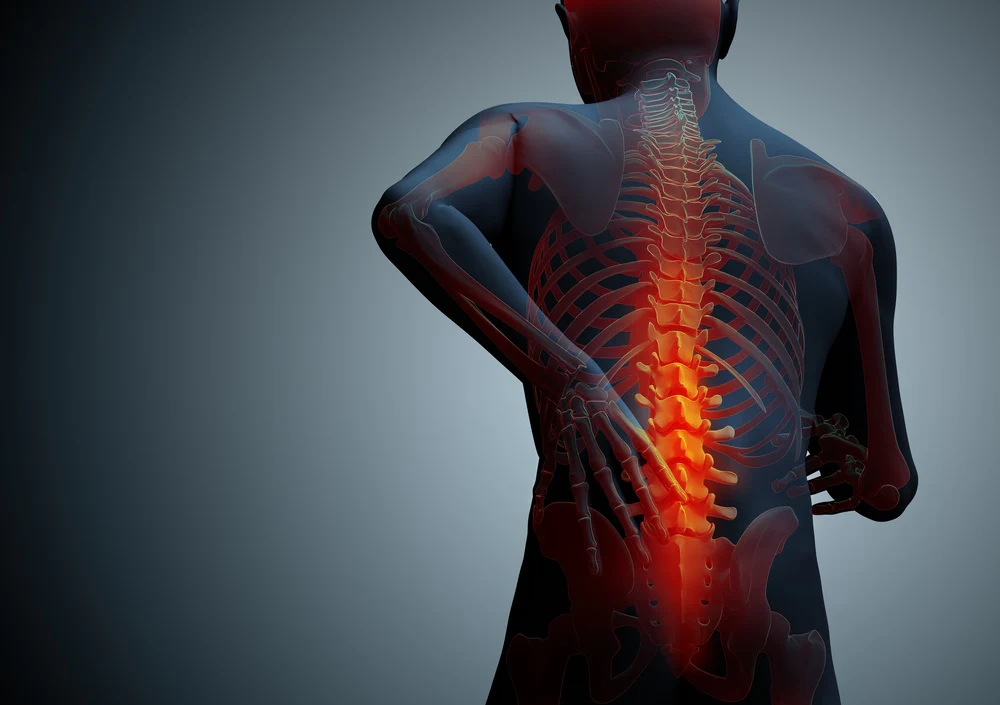
Chronic pain is not just a physical condition — it affects sleep, mood, energy levels, and overall quality of life. In Phoenix, many patients report a very specific pattern: their pain becomes noticeably worse at night, even if it was manageable during the day.
This is one of the most common complaints seen in pain clinics, especially for conditions like back pain, neuropathy, arthritis, sciatica, and muscle disorders. When pain increases at night, it disrupts sleep, and poor sleep further increases pain sensitivity the next day. This creates a cycle that is difficult to break without proper understanding and treatment.
In this detailed guide, we will explain why chronic pain often worsens at night, which conditions are most affected, and what practical steps and treatments can help patients regain control over their sleep and comfort.
What Is Chronic Pain?
Chronic pain is defined as pain that lasts longer than 12 weeks, even after the original injury or cause has healed. Unlike acute pain, which serves as a warning signal, chronic pain persists due to changes in the nervous system, inflammation, or underlying medical conditions.
Common types of chronic pain include:
- Lower back pain
- Neck pain
- Sciatica
- Arthritis pain
- Neuropathy (nerve pain)
- Joint pain
- Muscle pain
- Fibromyalgia
Many individuals seek Chronic Pain Management Phoenix services when pain starts interfering with sleep, work, or daily activities.
Why Chronic Pain Gets Worse at Night
Nighttime pain is not imaginary — it is caused by real biological and environmental changes in the body.
Below are the major reasons why pain intensifies after sunset.
1. Reduced Distractions Increase Pain Awareness
During the day, the brain is constantly engaged with work, conversations, movement, and external stimuli. These distractions help reduce the perception of pain.
At night, everything becomes quiet and still. The brain shifts focus inward, making pain signals more noticeable.
This is especially true for:
- Chronic back pain
- Neuropathy
- Joint pain
- Neck pain
- Sciatica
Even mild discomfort can feel severe when the mind is fully focused on it.
2. Changes in Hormones and Inflammation Levels
The body follows a natural circadian rhythm, which affects hormone production and inflammation control.
At night:
- Anti-inflammatory hormones may decrease
- Pain sensitivity may increase
- Immune system activity changes
This leads to increased stiffness, swelling, and discomfort, especially in conditions like arthritis and spinal disorders.
3. Poor Sleeping Position and Spinal Misalignment
Sleeping posture plays a major role in how the body experiences pain at night. If the spine or joints are not properly supported, pressure builds up in sensitive areas.
Common problems include:
- Sleeping on the stomach (spine strain)
- Soft or unsupportive mattress
- Improper pillow height
- Twisted sleeping positions
- Lack of knee or lumbar support
These issues increase pressure on the back, neck, hips, and shoulders, leading to interrupted sleep.
4. Lack of Movement Leads to Stiffness
During the day, movement keeps joints lubricated and muscles flexible. At night, the body remains still for several hours.
This inactivity leads to:
- Joint stiffness
- Reduced blood circulation
- Muscle tightness
- Increased nerve sensitivity
That is why many patients wake up with more pain in the morning than they had before sleeping.
5. Stress and Mental Health Influence Pain Levels
Stress is directly linked to chronic pain. When a person is stressed or anxious, the nervous system becomes more sensitive to pain signals.
At night, mental stress often increases because there are fewer distractions. This leads to:
- Muscle tension
- Increased nerve sensitivity
- Heightened pain perception
- Difficulty falling asleep
Over time, stress and pain reinforce each other, making the condition worse.
6. Reduced Blood Circulation at Rest
When the body is inactive for long periods, blood circulation slows down. This reduces oxygen flow to muscles and tissues, which can increase discomfort in areas already affected by injury or inflammation.
Conditions That Commonly Worsen at Night
Not all chronic pain conditions behave the same way, but some are especially known for nighttime flare-ups.
Lower Back Pain
Lower back pain often worsens due to poor sleeping posture, weak core muscles, or spinal disc issues. Lying down for long periods can increase pressure on spinal structures.
Peripheral Neuropathy
Neuropathy affects the nerves and often causes:
- Burning sensations
- Tingling or “pins and needles”
- Numbness
- Sharp nerve pain
These symptoms are often more noticeable at night due to reduced distractions.
Arthritis
Inflamed joints tend to stiffen during inactivity. This is why arthritis patients often feel worse in the morning or at night.
Sciatica
Sciatica pain travels from the lower back down the leg due to nerve compression. Certain sleeping positions can worsen nerve pressure.
Neck and Shoulder Pain
Poor pillow support and long hours of tension can increase pain in the upper spine and shoulders during sleep.
Table: Why Chronic Pain Gets Worse at Night & Solutions
| Cause | What Happens | Solution |
| Reduced distractions | Brain focuses on pain | Relaxation techniques before bed |
| Inflammation changes | Increased stiffness | Anti-inflammatory lifestyle |
| Poor sleep posture | Pressure on spine/joints | Proper mattress & pillow support |
| Lack of movement | Muscle stiffness | Daily stretching & walking |
| Stress & anxiety | Higher pain sensitivity | Meditation & breathing exercises |
| Poor circulation | Muscle tightness | Light evening activity |
How to Manage Chronic Pain at Night
Effective management requires a combination of lifestyle changes and medical support.
1. Improve Sleep Environment
A supportive sleep setup can significantly reduce pain levels.
Recommended adjustments:
- Medium-firm mattress
- Ergonomic pillow support
- Side sleeping position
- Pillow between knees
- Proper neck alignment
2. Stay Physically Active During the Day
Movement helps reduce stiffness and improves blood flow.
Best activities:
- Walking
- Stretching
- Yoga
- Swimming
- Light physiotherapy exercises
Even 20–30 minutes daily can make a difference.
3. Reduce Stress Before Sleep
Relaxation techniques help calm the nervous system.
Helpful methods:
- Deep breathing exercises
- Meditation
- Warm bath
- Reading
- Listening to calm music
4. Improve Diet and Reduce Inflammation
Food plays a key role in chronic pain levels.
Foods to avoid at night:
- Sugary snacks
- Fried foods
- Excess caffeine
- Processed foods
- Alcohol
5. Use Heat or Cold Therapy
Depending on the condition:
- Heat helps relax muscles
- Cold reduces inflammation
Advanced Chronic Pain Treatments in Phoenix
Patients in Phoenix have access to modern treatment options that focus on long-term relief.
These include:
- Laser therapy
- Regenerative medicine
- Spinal cord stimulation
- Neuropathy treatment
- Physical therapy programs
- Non-surgical pain management
- Injection-based therapies
These treatments are designed to reduce pain signals, improve mobility, and support natural healing without major surgery.
When to See a Pain Management Specialist
You should consult a specialist if:
- Pain affects sleep regularly
- Symptoms last longer than a few weeks
- Over-the-counter medicines stop working
- Numbness or weakness increases
- Daily activities become difficult
Early treatment helps prevent worsening of chronic conditions.
Benefits of Professional Chronic Pain Management
Proper treatment can help patients:
- Sleep better
- Reduce pain intensity
- Improve mobility
- Lower inflammation
- Reduce medication dependence
- Improve quality of life
Frequently Asked Questions (FAQs)
Why does chronic pain get worse at night?
Because of reduced distractions, increased inflammation, poor posture, and reduced movement during sleep.
What is the best sleeping position for chronic back pain?
Side sleeping with a pillow between the knees helps maintain spinal alignment.
Can stress increase chronic pain?
Yes, stress increases muscle tension and nervous system sensitivity.
Is neuropathy worse at night?
Yes, nerve pain symptoms like burning and tingling often intensify at night.
How can I naturally reduce pain at night?
Stretching, proper sleep posture, stress reduction, and light physical activity can help.
When should I visit a pain clinic in Phoenix?
If pain affects sleep, work, or daily life for more than a few weeks.
Is chronic pain curable?
Not always, but it is highly manageable with proper treatment and lifestyle changes.
Final Thoughts
Chronic pain worsening at night is a common but manageable condition for many patients in Phoenix. It is influenced by biological rhythms, inflammation, posture, stress, and lifestyle habits.
With the right combination of Chronic Pain Management Phoenix, healthy sleep habits, and professional treatment, patients can significantly improve sleep quality and regain control over their daily lives.