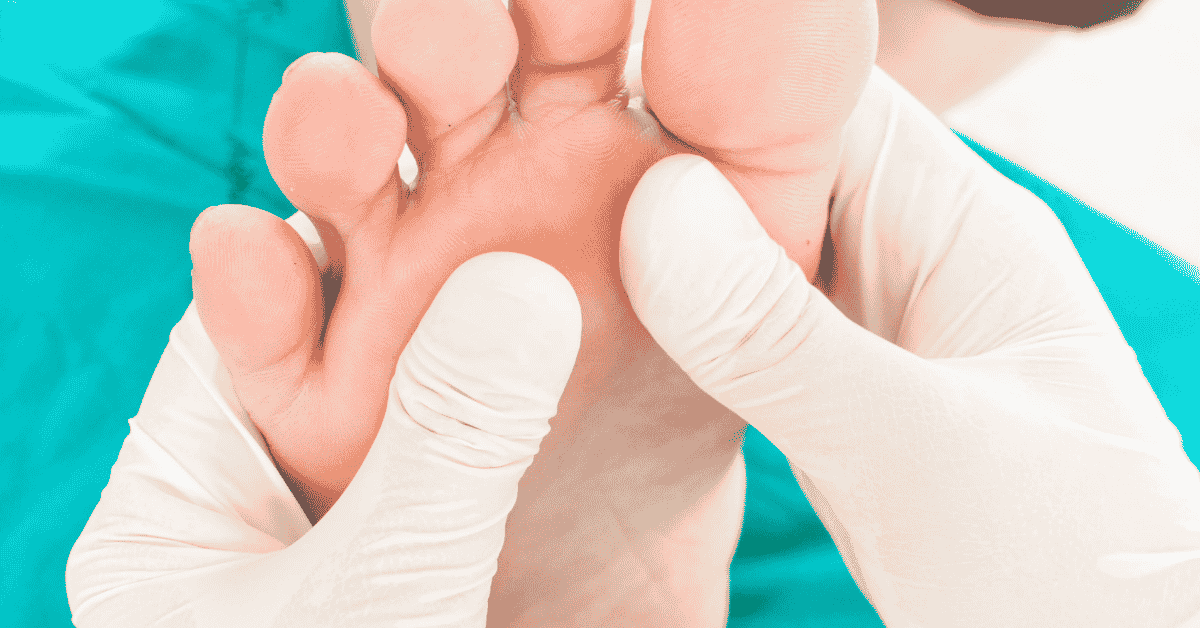
Neuropathy is a condition that affects the nerves and can significantly impact daily life. For many patients, it begins subtly—occasional tingling in the hands or feet, mild numbness, or a burning sensation that comes and goes. Over time, these symptoms may become more intense, persistent, and disruptive, making everyday activities such as walking, sleeping, or even holding objects increasingly difficult.
Because neuropathy develops in different ways and for many reasons, it is often misunderstood or overlooked in its early stages. Some patients are told their symptoms are simply part of aging or that nothing can be done. In reality, neuropathy is a medical condition that benefits greatly from early diagnosis and targeted treatment.
Common symptoms of neuropathy include numbness, tingling, burning pain, electric or stabbing sensations, muscle weakness, and sensitivity to touch. Symptoms may affect one area or progress gradually, often starting in the feet or hands and moving upward. In more advanced cases, neuropathy can interfere with balance, coordination, and overall mobility.
There are many potential causes of neuropathy. Diabetes is one of the most well-known, but nerve damage can also result from spinal conditions, nerve compression, injuries, autoimmune disorders, infections, vitamin deficiencies, and certain medical treatments. Identifying the specific cause is essential, as it directly influences the most effective treatment approach.
At Laser Pain Center, diagnosing neuropathy begins with a comprehensive evaluation. Providers take time to understand symptom patterns, medical history, and lifestyle factors that may contribute to nerve damage. Advanced diagnostic tools, such as nerve conduction studies and electromyography, may be used to assess nerve function and determine the extent of involvement. Imaging may also help identify whether neuropathy is linked to spinal or structural issues.
Once the cause of neuropathy is identified, modern pain management offers a variety of treatment options beyond traditional medications. Targeted injection therapies can help reduce inflammation and relieve nerve compression in cases where neuropathy is related to spinal conditions. These treatments aim to address the source of nerve irritation rather than simply dulling symptoms.
For patients with chronic or widespread nerve pain, interventional therapies such as radiofrequency ablation or neuromodulation may be recommended. These advanced treatments work by interrupting or modifying pain signals before they reach the brain, helping reduce pain intensity and improve daily function. Neuromodulation techniques, including spinal cord stimulation, are carefully tailored to each patient and often provide meaningful relief when other treatments have failed.
Regenerative medicine may also play a role in neuropathy care. These therapies focus on supporting the body’s natural healing processes and may help improve nerve environment and reduce ongoing inflammation. While results vary based on the underlying cause, regenerative approaches offer promising options for select patients.
Managing neuropathy often requires a long-term, individualized strategy. Pain levels, nerve function, and overall health can change over time, making ongoing evaluation and adjustment essential. At Laser Pain Center, treatment plans are closely monitored and refined to ensure patients continue moving toward improved comfort and function.
Living with neuropathy does not have to mean accepting constant pain or limitations. With accurate diagnosis and access to modern pain treatment options, many patients are able to reduce symptoms, improve mobility, and regain a better quality of life. Understanding neuropathy is the first step toward effective care—and lasting relief is possible with the right approach.
Follow us on social media!

Request Consultation
Neuropathy is a condition that affects the nerves and can significantly impact daily life. For many patients, it begins subtly—occasional tingling in the hands or feet, mild numbness, or a burning sensation that comes and goes. Over time, these symptoms may become more intense, persistent, and disruptive, making everyday activities such as walking, sleeping, or even holding objects increasingly difficult.
Because neuropathy develops in different ways and for many reasons, it is often misunderstood or overlooked in its early stages. Some patients are told their symptoms are simply part of aging or that nothing can be done. In reality, neuropathy is a medical condition that benefits greatly from early diagnosis and targeted treatment.
Common symptoms of neuropathy include numbness, tingling, burning pain, electric or stabbing sensations, muscle weakness, and sensitivity to touch. Symptoms may affect one area or progress gradually, often starting in the feet or hands and moving upward. In more advanced cases, neuropathy can interfere with balance, coordination, and overall mobility.
There are many potential causes of neuropathy. Diabetes is one of the most well-known, but nerve damage can also result from spinal conditions, nerve compression, injuries, autoimmune disorders, infections, vitamin deficiencies, and certain medical treatments. Identifying the specific cause is essential, as it directly influences the most effective treatment approach.
At Laser Pain Center, diagnosing neuropathy begins with a comprehensive evaluation. Providers take time to understand symptom patterns, medical history, and lifestyle factors that may contribute to nerve damage. Advanced diagnostic tools, such as nerve conduction studies and electromyography, may be used to assess nerve function and determine the extent of involvement. Imaging may also help identify whether neuropathy is linked to spinal or structural issues.
Once the cause of neuropathy is identified, modern pain management offers a variety of treatment options beyond traditional medications. Targeted injection therapies can help reduce inflammation and relieve nerve compression in cases where neuropathy is related to spinal conditions. These treatments aim to address the source of nerve irritation rather than simply dulling symptoms.
For patients with chronic or widespread nerve pain, interventional therapies such as radiofrequency ablation or neuromodulation may be recommended. These advanced treatments work by interrupting or modifying pain signals before they reach the brain, helping reduce pain intensity and improve daily function. Neuromodulation techniques, including spinal cord stimulation, are carefully tailored to each patient and often provide meaningful relief when other treatments have failed.
Regenerative medicine may also play a role in neuropathy care. These therapies focus on supporting the body’s natural healing processes and may help improve nerve environment and reduce ongoing inflammation. While results vary based on the underlying cause, regenerative approaches offer promising options for select patients.
Managing neuropathy often requires a long-term, individualized strategy. Pain levels, nerve function, and overall health can change over time, making ongoing evaluation and adjustment essential. At Laser Pain Center, treatment plans are closely monitored and refined to ensure patients continue moving toward improved comfort and function.
Living with neuropathy does not have to mean accepting constant pain or limitations. With accurate diagnosis and access to modern pain treatment options, many patients are able to reduce symptoms, improve mobility, and regain a better quality of life. Understanding neuropathy is the first step toward effective care—and lasting relief is possible with the right approach.