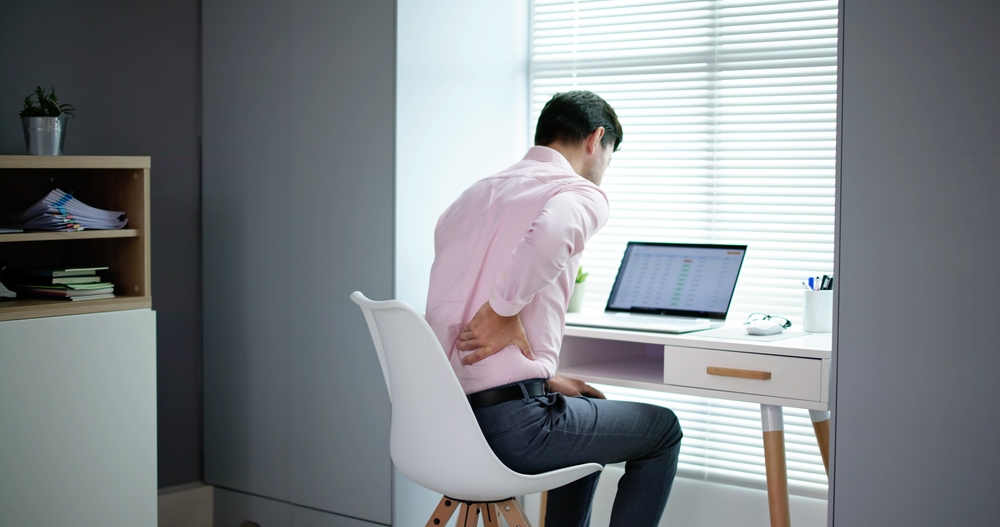
Back pain can make everyday activities difficult. Whether you’re sitting at a desk, driving to work, standing in the kitchen, or relaxing on the couch, persistent discomfort can affect your daily life. Because symptoms often develop gradually, identifying what triggers or worsens the pain can be challenging. Posture may play a role. Sitting or standing in one position for extended periods, repetitive movements, and an uncomfortable workstation can contribute to back discomfort. However, research does not establish that a specific posture directly causes chronic back pain. Understanding how your body responds to different positions and activities can help you make practical changes to improve comfort and manage symptoms.
What Is Chronic Back Pain?
Chronic back pain is generally defined as pain that lasts 12 weeks or longer. It can affect the lower, middle, or upper back and vary in intensity. Potential contributors include:
- Muscle or ligament strain
- Age-related changes in spinal joints and discs
- Disc problems or nerve irritation
- Arthritis and other spinal conditions
- Repetitive movements, heavy lifting, or physically demanding work
- Prolonged periods of inactivity
- Stress, poor sleep, and other factors that influence pain sensitivity
For some people, certain postures or activities may worsen existing symptoms. Rather than trying to maintain a perfect posture, it is often more helpful to identify which positions make your pain better or worse.
How Poor Posture Can Contribute to Back Pain
Posture refers to how you position your body while sitting, standing, walking, or moving. Your spine has natural curves supported by muscles, ligaments, and joints. Remaining in an uncomfortable position for too long can increase physical strain and muscle fatigue. Here are five common situations that may contribute to discomfort.
Slouching While Sitting
Slouching can happen when you lean toward your computer, sink into a soft chair, or sit without adequate back support. Some people experience increased discomfort in their upper or lower back after spending extended periods in these positions. The issue is not necessarily the posture itself but how long you maintain it and how your body responds.
Tips to help:
- Choose a comfortable chair that supports your back.
- Keep your feet supported by the floor or a footrest.
- Position your screen at a comfortable viewing height.
- Change positions regularly rather than remaining still for hours.
Looking Down at Phones and Devices
Frequently looking down at a phone or using a laptop positioned too low can encourage forward head positioning and rounding of the upper back. Over time, this may contribute to discomfort in the neck, shoulders, and upper back. Laptop users may be particularly likely to lean forward when the screen and keyboard cannot be positioned independently.
Tips to help:
- Raise your phone closer to eye level when practical.
- Position your monitor so you can view it without repeatedly bending your neck.
- Consider using a separate keyboard and mouse with a laptop stand.
- Take regular movement breaks during prolonged screen use.
Standing for Long Periods
Standing for extended periods can aggravate back discomfort, particularly when you have limited opportunities to move or frequently lean in one direction. People working in retail, healthcare, kitchens, and other standing occupations may notice symptoms increasing throughout the day. This does not necessarily mean their standing posture is incorrect. Remaining in the same position for too long can itself become uncomfortable.
Tips to help:
- Alternate between sitting, standing, and walking when possible.
- Shift your weight naturally instead of holding one position.
- Use a footrest if it helps you change positions comfortably.
- Include short periods of movement throughout your workday.
Repetitive Bending and Twisting
Everyday activities such as carrying laundry baskets, moving boxes, gardening, cleaning, and reaching into low cupboards involve bending or twisting. These movements are generally normal and do not automatically damage your spine. However, repeated movements, heavy loads, awkward reaching, and fatigue may increase strain or aggravate existing back pain.
Tips to help:
- Keep objects close to your body when lifting.
- Move your feet to change direction while carrying heavy items.
- Break demanding tasks into manageable steps.
- Avoid rushing when lifting or moving bulky objects.
Poor Workstation Setup
An uncomfortable workstation can encourage repeated leaning, reaching, or awkward positioning. For example, a screen that is too low, a poorly adjusted chair, or a keyboard placed too far away may make it harder to work comfortably. These challenges are not limited to office workers. Drivers, warehouse employees, tradespeople, and others who perform repetitive tasks may also experience discomfort associated with their work environment.
Tips to help:
- Adjust your chair, screen, and keyboard to suit your body.
- Keep frequently used items within comfortable reach.
- Ensure your feet are supported when sitting.
- Arrange your workspace so you can change positions and move regularly.
Improving workstation ergonomics may reduce certain physical stressors, although it may not resolve every cause of back pain.
Signs Your Daily Activities May Be Worsening Back Pain
Pay attention to patterns in your symptoms. You may notice:
- Pain that increases after prolonged sitting or driving.
- Relief after walking, changing positions, or gentle movement.
- Discomfort during repetitive bending, reaching, or lifting.
- Symptoms that become more noticeable toward the end of the workday.
- Stiffness after remaining in one position for a long time.
These patterns can help you identify potential triggers, but they do not establish the underlying cause. Persistent back pain may also involve spinal conditions, nerve irritation, or other medical factors. Keeping a brief record of your activities, symptoms, and what helps relieve them can provide useful information for a healthcare professional.
Practical Tips to Improve Comfort and Manage Back Pain
You do not need to make dramatic changes to your daily routine. Small, consistent adjustments may help you move more comfortably and reduce the likelihood of symptoms worsening.
Improve Your Sitting Setup
Choose a comfortable sitting position with adequate back support. Keep your feet supported and adjust your screen to a comfortable height. Avoid holding your body rigidly upright or trying to maintain one perfect position throughout the day. Instead, change positions when you become uncomfortable or stiff.
Move Regularly
If your day involves extended periods of sitting or standing, build movement into your routine. Get up to walk, change your position, or perform gentle movements when practical. There is no single movement schedule that suits everyone. Adjust your breaks according to your activities, comfort, and individual needs.
Stay Physically Active
Regular physical activity can help many people manage chronic back pain. Walking, swimming, cycling, and appropriate strengthening exercises can support mobility, endurance, and everyday function. Start with activities you can manage comfortably and gradually increase the duration or intensity. Some temporary discomfort can occur during rehabilitation, but severe or rapidly worsening pain should not be ignored. A physical therapist can help you choose exercises that match your symptoms, abilities, and medical history. The goal is to build strength and confidence in movement rather than make you feel that your spine is fragile.
Strengthen Your Back and Core
Exercises targeting the trunk, hips, and legs may improve your ability to perform everyday activities. Depending on your needs, a physical therapist may recommend gentle core exercises, hip strengthening, mobility work, or a gradual return to activities you have been avoiding. There is no single exercise routine that works for everyone, and back pain does not automatically mean your core muscles are weak. An individualized approach is often more useful than following a generic exercise plan.
Pay Attention to Sleep and Stress
Back pain is influenced by more than posture and physical activity. Poor sleep, ongoing stress, fatigue, and worry may affect how intensely you experience pain. Try to maintain a consistent sleep routine and find a comfortable sleeping position. Relaxation techniques and manageable daily routines may also help. If poor sleep or stress is making your symptoms harder to manage, discuss this with a healthcare professional.
When to See a Back Pain Specialist
Occasional back discomfort may improve with time, movement, and adjustments to daily activities. However, consider arranging a medical assessment if your pain:
- Persists or repeatedly returns.
- Interferes with sleep, work, or everyday activities.
- Does not improve with reasonable self-care.
- Spreads into your legs or is accompanied by tingling or numbness.
- Becomes progressively worse.
A healthcare professional may review your medical history, examine your back and movement, and assess nerve function. Imaging, such as an X-ray or MRI, is not necessary for everyone. It may be recommended when the findings could affect treatment decisions or when a more serious condition is suspected. Depending on the cause, treatment may include physical therapy, an individualized exercise program, medication when appropriate, workplace adjustments, or specialist care. Seek emergency medical attention if back pain occurs with new loss of bladder or bowel control, numbness around the groin or saddle area, or significant or rapidly worsening leg weakness. Severe pain following a serious accident or injury also requires urgent evaluation. Seek prompt medical attention if your back pain is accompanied by fever, unexplained weight loss, feeling generally unwell, or progressively worsening symptoms.
Can Improving My Posture Cure Chronic Back Pain?
Not necessarily. Improving your workstation, changing positions regularly, and adjusting daily habits may reduce discomfort when particular activities aggravate your symptoms. However, these changes may not address every underlying cause of persistent pain. Chronic back pain can involve several interacting factors, including physical conditions, activity levels, sleep, stress, and the way the nervous system processes pain. Treatment may be more effective when it considers the whole picture rather than focusing exclusively on posture. You do not need to worry about every instance of slouching or bending. Aim to move regularly, build physical capacity gradually, make your environment comfortable, and seek an assessment if your symptoms persist.
Frequently Asked Questions
Can poor posture cause chronic back pain?
Poor posture is associated with back discomfort for some people, but a specific posture has not been established as a direct cause of chronic back pain. Prolonged positions, repetitive movements, and demanding work tasks may aggravate symptoms. Medical conditions, activity levels, sleep, and stress can also contribute.
How long does it take to improve back pain related to posture?
There is no fixed timeline. Some people notice improvements after adjusting their workstation or changing positions more frequently. Others may need several weeks or longer of individualized treatment, depending on the cause, severity, and duration of their symptoms.
Is sitting all day bad for my back?
Prolonged sitting can increase discomfort for some people, particularly when they remain in one position for too long. Sitting is not inherently harmful, but changing positions, taking movement breaks, and using a comfortable workstation may help reduce symptoms.
What is the best sitting posture for back pain?
There is no single perfect sitting posture for everyone. Aim for a comfortable position with suitable back support, supported feet, and a screen and keyboard that do not require excessive reaching or leaning. Changing positions regularly is often more helpful than maintaining a rigid posture.
Can exercise help chronic back pain?
Yes. Many people with chronic back pain benefit from appropriately selected physical activity and exercise. These can improve strength, mobility, endurance, and confidence with movement. Walking and individualized strengthening programs are common options, but exercises should be suited to your symptoms and abilities.
Should I see a doctor if my back only hurts when sitting?
Consider seeking an assessment if the pain is persistent, recurrent, or interferes with your daily activities. Pain while sitting may be related to prolonged positioning, but it can also have other causes, including spinal or nerve conditions. Seek emergency care for new bladder or bowel problems, saddle-area numbness, or significant or rapidly worsening weakness.
Conclusion
Poor posture and prolonged positioning may contribute to back discomfort, but chronic back pain rarely has just one explanation. Your work environment, movement habits, activity levels, sleep, stress, and underlying medical conditions may all influence your symptoms. Start with practical changes: adjust your workstation, move regularly, and stay active within your abilities. Rather than trying to keep your spine perfectly straight, focus on comfortable movement and gradually building strength. If your pain persists or affects your daily life, a professional assessment can help identify possible causes and guide appropriate treatment.