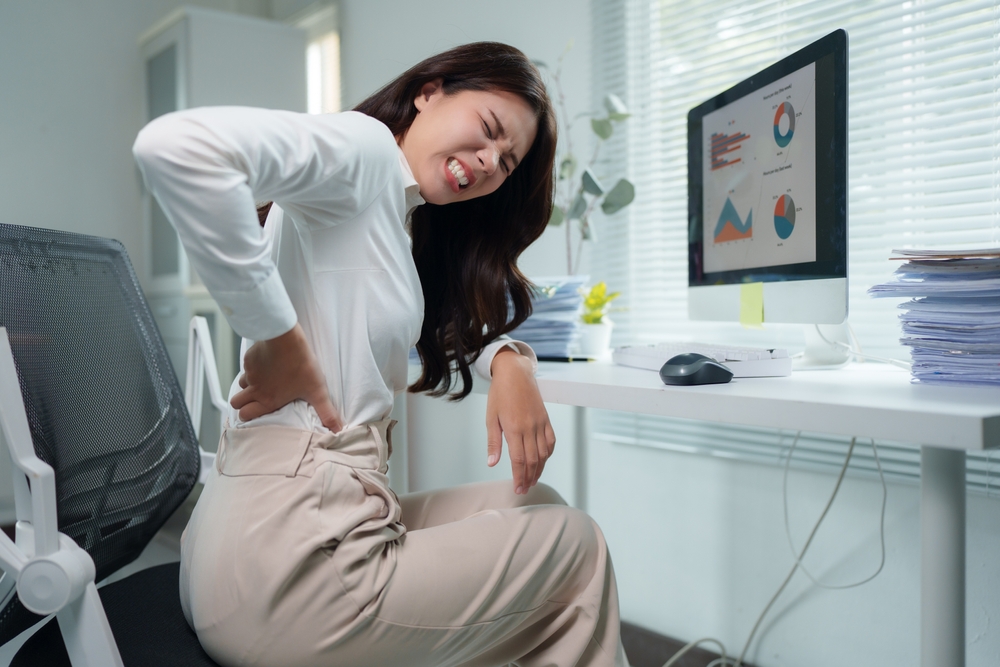
Sitting is a normal part of everyday life, especially for office workers, students, and people who work from home. But for people with lower back pain, sitting for extended periods can make daily activities much more difficult. You may notice discomfort while sitting at a desk, driving, eating at the dinner table, or getting up after being seated for a long time. The pain may feel like a dull ache, stiffness, pressure, or burning sensation in the lower back or hips. The underlying cause is not always obvious. Lower back pain when sitting can be related to posture, muscle strain, prolonged inactivity, or an underlying spinal or musculoskeletal condition. Understanding the potential cause can help you determine which treatment options may be appropriate.
Why Does Sitting Cause Lower Back Pain?
Sitting for extended periods can place stress on the muscles, ligaments, joints, and other structures that support the spine. Remaining in one position for too long can also contribute to stiffness and reduced mobility. Sitting may not necessarily be the original cause of your back pain, but it can aggravate an existing condition. Potential contributors include:
- Poor posture
- Prolonged sitting
- Muscle strain
- Herniated or bulging discs
- Degenerative disc changes
- Arthritis
- Nerve irritation
- Weak core muscles
- Tight hip muscles
- Certain spinal conditions
Lower Back Pain When Sitting: Common Causes
Several conditions can cause lower back pain that becomes worse while sitting or when standing up after sitting.
Poor Posture
Poor sitting posture can place additional stress on the lower back. Slouching or leaning forward for long periods can change the way weight is distributed across the spine and surrounding muscles. Over time, this may contribute to discomfort and stiffness. When sitting, try to keep your back supported, your feet comfortably planted, and your shoulders relaxed. Most importantly, avoid staying in the same position for extended periods.
Sitting for Too Long
Even with good posture, sitting for hours without moving can contribute to muscle and joint stiffness. You may notice discomfort when standing up after sitting at a desk, watching television, or traveling for a long time. Taking regular movement breaks can help reduce stiffness. Stand up, walk around, and change positions throughout the day rather than remaining seated continuously.
Muscle Strain
Muscle strain can occur after activities that place unusual or excessive stress on the muscles of the lower back. Poor posture, prolonged sitting, lifting, exercise, or sudden movements can all contribute to muscle strain. Many mild muscle strains improve with conservative care, although persistent or severe pain should be evaluated by a healthcare professional.
Herniated or Bulging Disc
The discs between the vertebrae act as cushions for the spine. A disc can become damaged or displaced, potentially irritating nearby nerves. A herniated disc can cause pain in the lower back and may also cause symptoms that travel into the buttocks or legs. Depending on the location and severity of the disc problem, symptoms may include:
- Lower back pain
- Leg pain
- Numbness
- Tingling
- Muscle weakness
Disc-related symptoms can sometimes resemble sciatica, although sciatica is a symptom pattern rather than a specific diagnosis and can have several underlying causes.
Degenerative Disc Changes
The spinal discs can change as part of the natural aging process. These changes may sometimes contribute to lower back pain. Prolonged sitting can aggravate symptoms in some people, particularly when the spine remains in the same position for an extended period. It is important to remember that imaging findings do not always directly correlate with the amount of pain someone experiences. Some people have disc changes without significant symptoms.
Arthritis
Arthritis can affect the joints of the spine and contribute to pain, stiffness, and reduced mobility. When discomfort makes movement difficult, people may become less active, which can contribute to additional stiffness and weakness. A healthcare professional can help determine whether arthritis or another condition is contributing to your symptoms.
Spinal Stenosis
Spinal stenosis occurs when spaces within the spine become narrowed, potentially putting pressure on nearby nerves. Symptoms can include back pain, leg pain, numbness, tingling, or weakness. Unlike some other causes of back pain, spinal stenosis symptoms are often worse with standing or walking and may improve when sitting or leaning forward. If you experience persistent leg symptoms or difficulty walking, medical evaluation may be appropriate.
Tight Hip Flexors
The hip flexor muscles help move the hip and thigh and play an important role in movement and posture. Because the hips remain flexed while sitting, prolonged sitting may contribute to tightness in these muscles. Tight or weak hip muscles can affect movement patterns and may contribute to discomfort in some people. A physical therapist can recommend appropriate stretching and strengthening exercises based on the cause of your symptoms.
Why Does My Lower Back Hurt After Sitting?
Sometimes the pain does not become noticeable until you stand up. After remaining seated for a long time, the muscles, joints, and soft tissues around the lower back may feel stiff or uncomfortable. Moving from a seated to a standing position can make that stiffness more noticeable. You may experience:
- Lower back stiffness
- Aching in the hips or back
- Burning or uncomfortable sensations
- Difficulty standing upright immediately
- Increased discomfort during the first few steps
Occasional stiffness after prolonged sitting is common. However, recurring or worsening pain should be discussed with a healthcare professional, particularly if it interferes with daily activities.
Lower Back Pain When Sitting at a Desk
For office workers and people who work from home, sitting at a desk for several hours can place significant demands on the lower back. An ergonomic workstation can help reduce unnecessary strain.
Choose a Supportive Chair
Your chair should provide adequate support and allow you to sit comfortably with your feet supported.
Position Your Monitor Properly
Your computer monitor should be positioned so that you can view it comfortably without constantly bending your neck forward or looking down.
Support Your Lower Back
Adequate lumbar support can help maintain a comfortable spinal position while sitting.
Keep Your Feet Supported
Your feet should rest comfortably on the floor or an appropriate footrest rather than dangling. Even with an ergonomic workstation, however, it is important to stand up and move regularly.
Lower Back Pain When Sitting in a Car
Driving can be particularly challenging for people with lower back pain because it combines prolonged sitting with limited movement. Before driving, adjust your seat so that your back is adequately supported and you can comfortably reach the pedals and steering wheel without excessive stretching or leaning. For longer trips, take regular breaks when it is safe to do so. Getting out of the vehicle and walking briefly can help reduce stiffness.
Why Does My Lower Back Hurt When Sitting at the Dinner Table?
Lower back pain at the dinner table may be related to posture, prolonged sitting, or an underlying musculoskeletal condition. You may lean forward toward the table, sit without adequate back support, or remain in one position for an extended period. These factors can contribute to stiffness and discomfort. If you consistently experience pain while sitting at the dinner table or standing afterward, an underlying condition such as arthritis, disc-related problems, or another musculoskeletal issue may need to be evaluated.
Treatment Options for Lower Back Pain When Sitting
Treatment depends on the underlying cause of your pain. Many cases can initially be managed with conservative approaches.
Activity Modification
Complete bed rest is generally not recommended for most cases of nonspecific lower back pain. Instead, try to remain active within your comfort level while temporarily reducing activities that significantly worsen your symptoms. Changing positions frequently and avoiding prolonged sitting may also help.
Physical Therapy
Physical therapy can be useful for many causes of lower back pain. A physical therapist can develop an individualized program to improve strength, flexibility, posture, mobility, and movement patterns.
Stretching and Exercise
Appropriate exercises can help improve strength and range of motion. The best exercises depend on the underlying cause of your pain. Exercises that help one condition may aggravate another, so consider working with a healthcare professional or physical therapist when symptoms are persistent.
Heat and Cold
Heat or cold therapy may provide temporary relief for some types of musculoskeletal pain. Cold may be useful for some acute injuries, while heat can help relax tight muscles and reduce stiffness. Use these treatments appropriately and protect your skin from direct exposure.
Medications
Over-the-counter or prescription medications may be recommended depending on the cause and severity of your pain. Because medications can have side effects and may interact with other medications or medical conditions, talk with your healthcare professional before starting, stopping, or changing medication.
Interventional Pain Management
If conservative treatments do not provide sufficient relief, an interventional pain management specialist may offer additional treatment options. Depending on the underlying diagnosis, treatment may include targeted procedures designed to address specific sources of pain. The appropriate approach depends on your symptoms, medical history, examination, and diagnostic findings.
When Should You See a Pain Management Specialist?
Consider speaking with a healthcare professional if your lower back pain:
- Persists or repeatedly returns
- Interferes with work or daily activities
- Does not improve with conservative care
- Radiates into the legs
- Causes numbness or tingling
- Is accompanied by weakness
- Continues to worsen
For residents of the Phoenix area, an interventional pain management specialist can help evaluate persistent lower back pain and determine whether additional diagnostic testing or treatment may be appropriate.
Emergency Warning Signs for Lower Back Pain
Most cases of lower back pain are not medical emergencies. However, certain symptoms require prompt medical attention. Seek emergency care if back pain is accompanied by:
- New loss of bladder or bowel control
- Numbness in the groin or inner thighs
- Significant or progressive leg weakness
- Severe difficulty walking
- Severe pain following an accident or major trauma
- Severe, unexplained pain accompanied by other concerning symptoms
These symptoms can sometimes indicate serious nerve or spinal problems that require urgent evaluation.
Prevention Tips for Lower Back Pain When Sitting
While not every cause of lower back pain can be prevented, several habits may reduce the strain associated with prolonged sitting.
Take Regular Movement Breaks
Avoid remaining seated for hours at a time. Stand up, walk around, and change positions regularly.
Pay Attention to Your Posture
Keep your back supported and avoid prolonged slouching or leaning forward.
Strengthen Your Core
Appropriate strengthening exercises can help support the muscles involved in spinal stability and movement.
Maintain a Healthy Weight
Maintaining a weight that is appropriate for your individual health can reduce some of the physical demands placed on the musculoskeletal system.
Create an Ergonomic Workspace
Adjust your chair, monitor, keyboard, and other equipment so that you can work comfortably without excessive bending or reaching.
Frequently Asked Questions
Why does my lower back hurt when I sit?
Lower back pain while sitting can have many possible causes, including prolonged sitting, poor posture, muscle strain, disc problems, arthritis, spinal stenosis, or other musculoskeletal conditions.
Is sitting bad for your lower back?
Sitting itself is not necessarily harmful, but sitting in one position for prolonged periods can contribute to stiffness and discomfort. Regular movement and proper workstation setup can help.
Should I stop sitting if my back hurts?
You may need to reduce prolonged sitting, but complete inactivity is generally not recommended for most cases of lower back pain. Try changing positions frequently and staying gently active as tolerated.
Does a herniated disc hurt when sitting?
It can. Depending on the location of the herniated disc and the nerves involved, sitting may aggravate symptoms in some people. Pain may also radiate into the buttocks or legs and may be accompanied by numbness, tingling, or weakness.
Does physical therapy help lower back pain?
Physical therapy can be an effective treatment for many types of lower back pain. A physical therapist can develop exercises and movement strategies based on your individual condition.
When should I see a doctor for lower back pain?
Talk with a healthcare professional if your pain is persistent, recurrent, worsening, or interfering with your daily activities. Seek urgent medical attention if you develop significant weakness, loss of bladder or bowel control, numbness in the groin area, or other emergency warning signs.
Final Thoughts
Lower back pain when sitting can make work, driving, meals, and other everyday activities uncomfortable. The cause may be something relatively simple, such as prolonged sitting or poor posture, but it can also be associated with conditions involving the discs, joints, nerves, or other structures of the spine. Taking regular movement breaks, improving your workstation, maintaining good posture, and staying appropriately active may help reduce discomfort. If your pain continues, becomes more severe, or begins to interfere with your daily life, talk with a healthcare professional. An evaluation can help identify the underlying cause and determine whether physical therapy, medication, interventional treatment, or another approach may be appropriate.