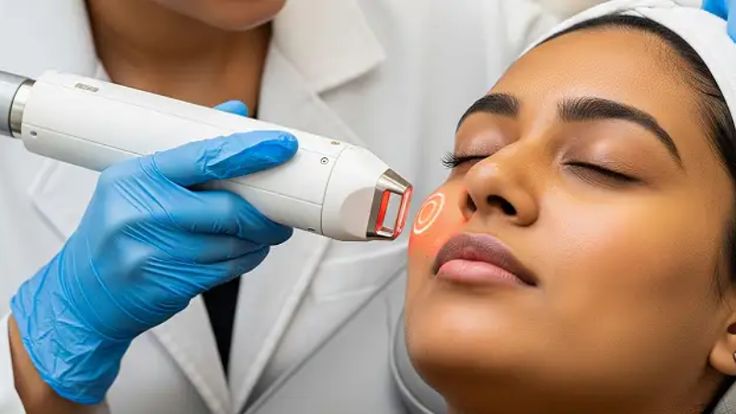
Non-surgical treatments for chronic back pain Phoenix that will work well will depend on where the pain is coming from, how much pain the person has, and how they live their life. Epidural injections, radiofrequency ablation, regenerative medicine, physical therapy, pain management, and nerve stimulation are some of the treatments that can be used to ease the pain.
Why Chronic Back Pain Shouldn’t Be Ignored
Pain will strip away all the joys in life, even the minor ones. What should be easy, like walking your dog, becomes a struggle. Just sitting down at the dinner table becomes an eternity. Getting out of bed each morning feels like scaling a hill.
Most individuals expect their back pain to dissipate over time. In many cases, that is true. However, when it persists for months and months, it is most likely indicative of something that requires professional attention as opposed to just a bottle of pills.
Our primary emphasis at Laser Pain Center is on treating the actual cause of pain, as opposed to dealing with its effects.
What Causes Chronic Back Pain?
Back pain rarely has a single cause. Like a puzzle, several pieces often fit together before the pain appears.
Common causes include:
- Degenerative disc disease
- Arthritis
- Herniated or bulging discs
- Sciatica
- Lumbar spinal stenosis
- Sacroiliac joint dysfunction
- Nerve compression
- Previous back surgery
Additional causes include age, repetition, injuries sustained during sports activities, and poor posture.
It is important to identify the actual cause since the wrong treatment is just like the wrong key and will not unlock the door.
Epidural Steroid Injections
The epidural steroid injection procedure is effective in reducing inflammation near the affected spinal nerves. It is recommended for conditions such as sciatica, herniated discs, spinal stenosis, and pain-related to nerves in the lower back.
The drug is administered around the nerve through an accurate process with the use of imaging tools. Patients experience relief in the form of less pain, enabling them to move and work easily.
It is mostly used in combination with other procedures.
Radiofrequency Ablation (RFA)
If tiny nerves keep firing pain messages, radiofrequency ablation can help block those messages.
This process involves the application of heat on the affected nerves to ease pain without damaging any of the tissues around them. This therapy might be required for pain in the neck region, mid-back region, lower back region, and even some joints.
Patients typically report feeling pain-free for many months, which makes daily activities much easier.
It is like turning down a channel that keeps playing an irritating song for too long.
Regenerative Medicine with Platelet-Rich Plasma (PRP)
The PRP therapy makes use of one’s own blood to create a solution that is highly enriched with platelets. These platelets, in turn, are known to have various growth factors that can help heal various musculoskeletal issues.
The PRP therapy may be used in case of some joint issues, tendon damage, and chronic pain. Each patient will be thoroughly analyzed to see whether regenerative medicine suits him/her.
This treatment method does not simply try to mask the pain, but helps to promote the healing process of the body.
Physical Therapy and Neuromuscular Therapy
Proper moving can be therapeutic.
The goal of physical therapy is to build the muscles of the spine, improve flexibility, and normalize movement.
Neuromuscular therapy is also prescribed to reduce muscle tension, which is the cause of chronic pain.
Rehabilitation, together with medication, enables patients to stay active and minimize the chances of relapse.
While treating present pain, therapy is preparing for the future.
Spinal Cord Stimulation and Peripheral Nerve Stimulation
Spinal cord stimulation can be considered when pain has not responded to previous interventions. This involves sending weak electrical impulses that affect the way pain signals are transmitted to the brain.
Peripheral nerve stimulation utilizes a technique that is somewhat similar, targeting particular nerves that are outside the spinal cord. Both interventions can be considered for individuals with failed back surgery syndrome and chronic back pain.
Before considering a permanent intervention, there is a trial stage during which one determines whether the intervention relieves pain.
Medication Management
Proper use of medication may be highly beneficial in treating chronic back pain if the medication is used prudently.
Using medication in treating chronic back pain is not meant to become a long-term solution. It is simply a means to manage symptoms while undergoing therapy for functional improvement.
At Laser Pain Center, medication regimens are tailored for each individual patient based on his or her unique situation.
Bracing Therapy
Back braces can offer further assistance when healing or treating certain spinal disorders.
Lumbar, thoracic, cervical, knee, wrist, and ankle braces can assist in alleviating pressure when undertaking normal activities. Braces can also improve mobility as well as confidence.
Braces are most effective when used alongside other treatment methods and not as the only cure to a problem.
EMG and Nerve Conduction Studies
EMG and nerve conduction tests can be used to determine whether there is any link between chronic back pain and damaged nerves or muscles. Through these tests, specialists are able to determine the cause of the pain and offer the right form of treatment as opposed to making guesses.
Accurate diagnosis becomes crucial to the entire process.
In cases where there is pain in the legs, numbness, or muscle weakness, these diagnostic tools can offer important information that imaging cannot.
It also helps make informed treatment decisions and prevents unnecessary procedures.
Why Choose a Laser Pain Center for Chronic Back Pain?
Effective management of chronic pain involves more than one treatment method. It involves listening, evaluation, and a treatment protocol tailored to suit each unique patient.
At Laser Pain Center, there are minimally invasive and non-invasive pain management services offered to patients in Phoenix and nearby areas. The services offered include injections, regenerative medicine, physical therapy, spinal cord stimulation, medications, and advanced diagnostics.
The company has several Arizona locations making it easier for patients to receive professional services.
Pain may result from injury, age, or even surgery; therefore, the specialists will ensure that the root cause is established and appropriate treatment prescribed to enhance mobility and improve quality of life.
Frequently Asked Questions
What is the best non-surgical treatment for chronic back pain?
The best treatment depends on the underlying cause of the pain. Options such as epidural injections, radiofrequency ablation, regenerative medicine, physical therapy, and spinal cord stimulation may all be effective when matched to the patient’s diagnosis and symptoms.
A thorough evaluation helps determine which treatment offers the greatest benefit.
How long do epidural steroid injections last?
Relief varies from person to person.
Some patients experience benefits for several weeks, while others enjoy several months of reduced pain depending on the condition being treated.
Can chronic back pain improve without surgery?
Yes. Many people experience meaningful pain relief through non-surgical treatments that reduce inflammation, improve mobility, strengthen supporting muscles, and address nerve-related pain. Surgery is usually considered only after conservative treatments have been explored.
Early treatment often leads to better long-term results.
Who is a good candidate for regenerative medicine?
Patients with certain joint conditions, tendon injuries, or chronic musculoskeletal pain may be candidates.
An evaluation helps determine whether regenerative medicine fits their diagnosis and treatment goals.
When should someone see a pain management specialist?
Persistent back pain lasting several weeks, recurring pain, numbness, weakness, or pain that limits daily activities should be evaluated by a specialist.
Early care may help prevent symptoms from becoming more difficult to manage.
Conclusion
Living with chronic back pain can feel like carrying a heavy backpack every day. The weight builds slowly until even simple tasks become exhausting.
The good news is that surgery isn’t the only path forward. Treatments such as epidural injections, radiofrequency ablation, regenerative medicine, physical therapy, medication management, and spinal cord stimulation can help reduce pain and improve movement when they’re matched to the right diagnosis.
At Laser Pain Center, we focus on identifying the source of pain and creating treatment plans that fit each patient’s needs. Our goal is simple: help people move more comfortably and get back to the activities that matter most.