
At Laser Pain Center, we deliver exceptional results paired with unrivaled patient satisfaction and compassionate care.
- Phone:520-836-8644
- Email: [email protected]
- Arizona, United States
At Laser Pain Center, we deliver exceptional results paired with unrivaled patient satisfaction and compassionate care.
Arizona, USA
Monday - Friday:8am - 5pm
Saturday-Sunday: Closed
Monday - Friday:8am - 5pm
Saturday-Sunday: Closed
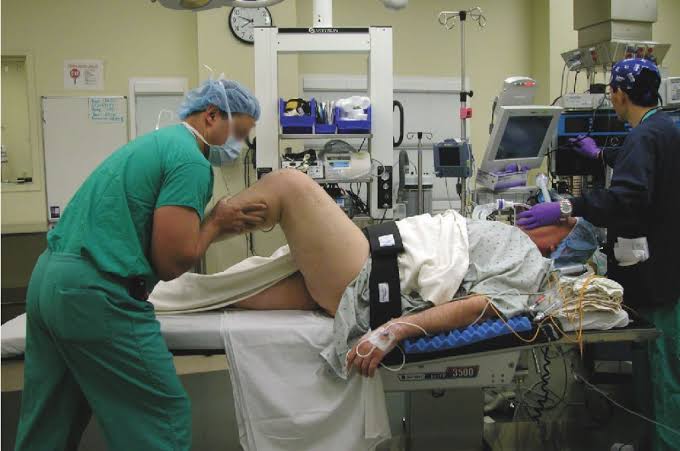
Chronic pain, joint stiffness, and restricted mobility can make everyday activities difficult. When physical therapy, medications, and other conservative treatments do not provide sufficient relief, additional treatment options may be worth exploring.
Manipulation Under Anesthesia (MUA) is a specialized procedure in which a physician performs controlled stretching and joint mobilization techniques while the patient is under anesthesia or sedation. By reducing muscle tension and involuntary resistance, the procedure allows the physician to work on restricted joints and surrounding soft tissues.
At Laser Pain Institute, we focus on helping patients explore personalized treatment options for chronic pain, joint stiffness, and limited mobility.
Schedule a Consultation to Learn Whether MUA May Be Right for You.
Manipulation Under Anesthesia (MUA) is a procedure designed to improve joint mobility and address certain types of musculoskeletal pain and stiffness.
During the procedure, the patient receives appropriate anesthesia or sedation under medical supervision. Once the patient is relaxed, a trained physician uses carefully controlled movements, stretching, and mobilization techniques to address restricted joint movement and soft tissue limitations.
Anesthesia helps reduce muscle guarding and involuntary resistance, allowing the physician to perform targeted mobilization techniques that may be difficult to achieve during conventional treatment.
MUA may be considered for patients experiencing persistent stiffness, restricted range of motion, or certain conditions that have not responded adequately to conservative treatment.
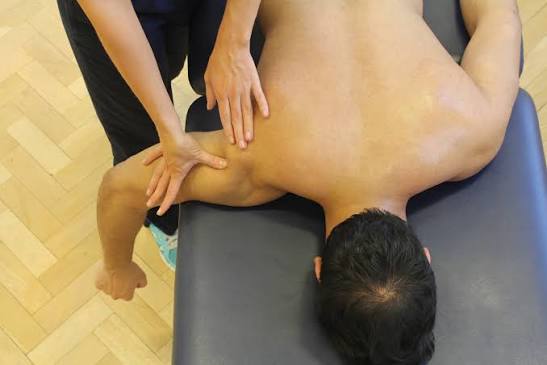
Manipulation Under Anesthesia may be considered for selected patients with musculoskeletal conditions involving joint stiffness, restricted movement, and soft tissue restrictions.
Persistent back pain may be associated with muscle tightness, restricted spinal movement, or certain joint-related conditions. MUA may be considered in selected cases when conventional treatments have not provided sufficient improvement.
Restricted neck movement and persistent stiffness can interfere with daily activities. Depending on the underlying cause, carefully selected patients may benefit from specialized mobilization techniques.
Conditions such as adhesive capsulitis (frozen shoulder) can cause significant shoulder stiffness and limited movement. MUA is an established treatment option for certain patients with frozen shoulder who have not improved with conservative care.
Joint contractures involve tightening of the surrounding tissues that restricts normal movement. In selected cases, manipulation may help improve joint mobility.
Injury, prolonged immobilization, surgery, or certain musculoskeletal conditions may lead to reduced joint flexibility. MUA may be considered when persistent restrictions interfere with normal movement.
Important: MUA is not appropriate for every type of pain or joint condition. A physician must evaluate the underlying cause, potential risks, and expected benefits before recommending treatment.
MUA involves a structured treatment process designed to improve movement while minimizing involuntary muscle resistance.
The physician reviews your medical history, symptoms, previous treatments, physical examination findings, and relevant imaging to determine whether MUA may be appropriate.
The patient receives an appropriate level of anesthesia or sedation under the supervision of qualified medical professionals. This helps relax the muscles and reduce protective muscle guarding during treatment.
The physician performs specific, carefully controlled stretching and mobilization movements on the affected joints and surrounding tissues. The techniques are selected according to the patient’s condition and treatment goals.
Following the procedure, the patient is monitored as the effects of anesthesia wear off. The medical team provides recovery instructions and recommendations for further treatment.
Rehabilitation is often an important part of the treatment plan. Physical therapy and prescribed exercises may help maintain improved mobility and support functional recovery.
For appropriately selected patients, MUA may offer several potential benefits:
Improved Joint Mobility: May help increase movement in joints affected by significant stiffness.
Reduced Muscle Guarding: Anesthesia helps minimize involuntary muscle resistance during mobilization.
Increased Range of Motion: May help address movement restrictions associated with certain musculoskeletal conditions.
Improved Physical Function: Increased mobility may make certain everyday activities easier.
Targeted Treatment: Techniques can be adapted to the affected joint and individual condition.
Support for Rehabilitation: Improved mobility may help patients participate more effectively in subsequent physical therapy.
Treatment outcomes vary depending on the underlying condition, severity of stiffness, overall health, and commitment to rehabilitation.
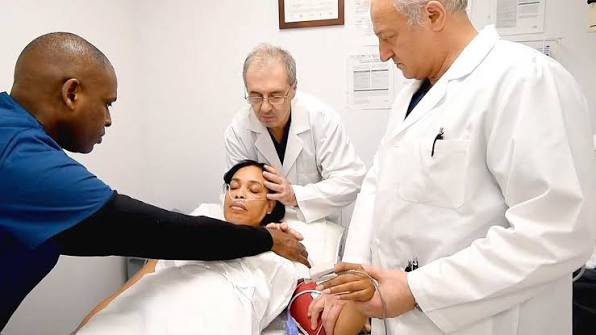
Manipulation Under Anesthesia may be considered for patients who:
A comprehensive evaluation is necessary before treatment. Your physician will consider your medical history, current symptoms, joint condition, and potential risks.
Recovery following MUA varies based on the treated joint, underlying condition, and individual response.
Some patients may experience temporary soreness, swelling, or discomfort following the procedure. Your physician may recommend a rehabilitation program to help maintain the mobility achieved during treatment.
MUA is generally considered a non-incisional procedure. It involves controlled joint mobilization and stretching while the patient is under anesthesia or sedation rather than conventional open surgery.
The patient is under anesthesia or sedation during the manipulation, so the procedure itself is generally not experienced in the usual way. Temporary soreness or discomfort may occur afterward.
The duration depends on the joint being treated, the patient's condition, and the techniques required. Your physician can provide an estimated treatment time during your consultation.
Physical therapy is commonly recommended after MUA to help maintain improved joint mobility, strengthen surrounding muscles, and support functional recovery.
Some patients notice improved movement shortly after the procedure, while others experience gradual improvement during rehabilitation. Individual results vary.
Living with persistent pain and restricted joint movement can affect your independence, comfort, and quality of life. If stiffness or limited mobility is preventing you from enjoying everyday activities, exploring appropriate treatment options may be an important next step.
At Laser Pain Institute, our goal is to help patients understand their conditions and explore individualized approaches to pain management and improved mobility.
Contact our team to schedule a consultation and find out whether Manipulation Under Anesthesia may be an appropriate option for you.