
At Laser Pain Center, we deliver exceptional results paired with unrivaled patient satisfaction and compassionate care.
- Phone:520-836-8644
- Email: [email protected]
- Arizona, United States
At Laser Pain Center, we deliver exceptional results paired with unrivaled patient satisfaction and compassionate care.
Arizona, USA
Monday - Friday:8 am - 5 pm
Saturday -Sunday: Closed
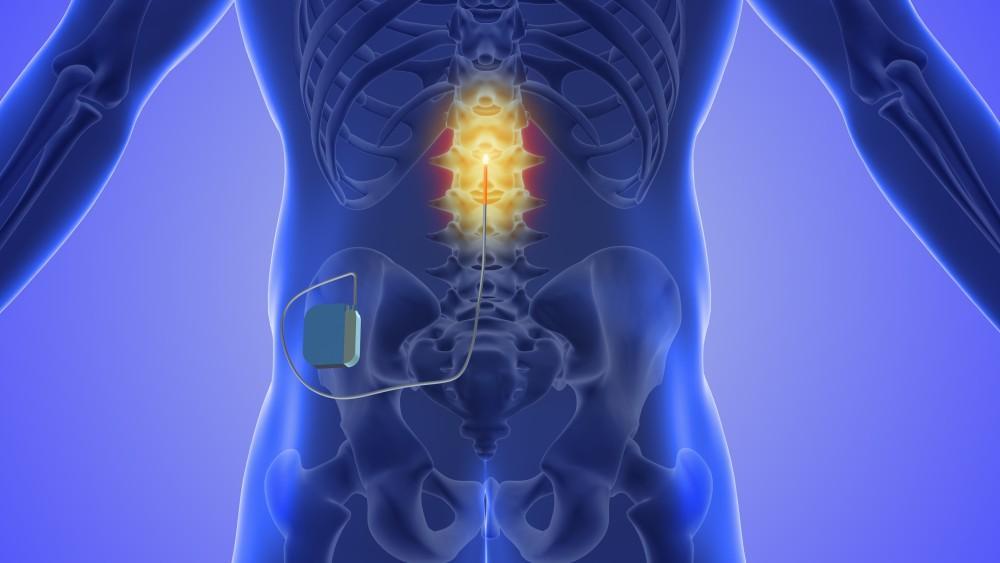
Living with persistent back, neck, or radiating nerve pain can make everyday activities challenging. Spinal Injection Therapy (SIT) is a minimally invasive, non-surgical treatment designed to reduce inflammation, relieve pain, and improve mobility. By delivering medication directly to targeted areas of the spine, these injections can help manage pain and support a better quality of life.
At Laser Pain Institute, our goal is to help patients find effective, personalized pain management solutions. Spinal injection treatments are recommended based on each patient’s symptoms, medical history, and diagnostic findings.
Schedule an Appointment to learn whether Spinal Injection Therapy may be right for you.
Spinal Injection Therapy (SIT) is a minimally invasive treatment that involves injecting medication into specific areas of the spine to help reduce inflammation and relieve pain.

These injections typically contain a local anesthetic, a corticosteroid, or a combination of medications. They are administered using imaging guidance, such as fluoroscopy (live X-ray), to help ensure accurate placement.
Depending on the underlying condition, spinal injections may help reduce inflammation around irritated nerves, relieve discomfort, and improve a patient’s ability to participate in physical therapy and daily activities.
Spinal injections may be recommended for patients experiencing pain caused by inflammation, nerve irritation, or certain spinal conditions.
Common conditions include:
Herniated or Bulging Discs: Disc-related problems that may irritate nearby spinal nerves and cause back pain or radiating symptoms.
Sciatica: Pain that travels from the lower back through the buttocks and down one or both legs.
Spinal Stenosis: Narrowing of the spinal canal that may place pressure on spinal nerves.
Degenerative Disc Disease: Age-related changes in spinal discs that can contribute to chronic neck or back pain.
Radiculopathy: Pain, tingling, numbness, or weakness caused by an irritated or compressed spinal nerve.
Facet Joint Pain: Discomfort originating from the small joints connecting the vertebrae.
Chronic Neck and Back Pain: Persistent discomfort associated with inflammation or certain spinal conditions.
Your provider will determine whether spinal injections are appropriate based on your specific diagnosis.
Different spinal injection techniques target different structures and sources of pain. Your provider may recommend one of the following treatments:
1. Epidural Steroid Injections (ESI)
Epidural steroid injections deliver anti-inflammatory medication into the epidural space surrounding the spinal nerves. They are commonly used to help relieve pain associated with herniated discs, spinal stenosis, and nerve inflammation.
2. Facet Joint Injections
Facet joint injections deliver medication directly into or around the small joints of the spine. They may help reduce inflammation and discomfort associated with facet joint arthritis or irritation.
3. Selective Nerve Root Blocks
These injections target a specific spinal nerve where it exits the spinal column. They may help reduce inflammation around an irritated nerve and assist in identifying the source of radiating pain.
4. Transforaminal Epidural Steroid Injections
This technique delivers medication through the opening where a spinal nerve exits the spinal canal. It allows targeted treatment near an irritated nerve root and may be recommended for certain types of radiating neck or back pain.
Benefits of Spinal Injection Therapy
Spinal Injection Therapy offers several potential benefits for appropriately selected patients:
Minimally Invasive: Treatment is performed using a needle rather than open surgery.
Targeted Pain Relief: Medication is delivered near the affected spinal structures.
Reduced Inflammation: Corticosteroids may help decrease inflammation around irritated nerves and joints.
Improved Mobility: Reduced pain may make it easier to move and perform everyday activities.
Supports Physical Therapy: Symptom relief may help patients participate more comfortably in rehabilitation.
Outpatient Treatment: Most spinal injections are performed without an overnight hospital stay.
Potential to Delay Surgery: Some patients may manage their symptoms without immediately pursuing surgical treatment.
Results vary depending on the patient’s condition, overall health, and response to treatment.
Spinal Injection Therapy is generally performed as an outpatient procedure. The treatment process typically includes the following steps:
Step 1: Initial Evaluation
Your provider reviews your medical history, symptoms, physical examination findings, and any relevant imaging studies to identify the likely source of your pain.
Step 2: Preparation
You will be positioned comfortably, and the treatment area will be cleaned. A local anesthetic may be used to numb the skin and surrounding tissues.
Step 3: Image-Guided Injection
Using fluoroscopy or another appropriate imaging technique, your provider carefully guides a thin needle toward the targeted spinal area. Medication is then administered at the planned location.
Step 4: Post-Procedure Monitoring
You will be monitored briefly after the injection. Your provider will provide instructions regarding activity, recovery, and follow-up care.
Most patients return home the same day. You may need someone to drive you home, depending on the medication used and the facility’s instructions.
Recovery is generally quick, although individual experiences may vary.
Some patients experience temporary soreness or mild discomfort around the injection site. Pain relief may occur shortly after the procedure due to the local anesthetic, while the anti-inflammatory effects of corticosteroids may take several days to develop.
Your provider may recommend:
Taking it easy for the remainder of the procedure day.
Avoiding strenuous activity for the period recommended by your provider.
Following your prescribed medication instructions.
Resuming physical therapy when medically appropriate.
Attending follow-up appointments to evaluate your progress.
Contact your healthcare provider if you experience worsening pain, fever, new weakness, or other concerning symptoms after the procedure. Seek urgent medical attention for severe symptoms such as new loss of bladder or bowel control.
Spinal Injection Therapy is generally considered safe when performed by a qualified healthcare professional using appropriate techniques and precautions.
However, as with any medical procedure, potential risks and side effects exist. These may include:
Temporary soreness or discomfort at the injection site.
Headache.
Temporary numbness or weakness.
Bleeding or infection.
Allergic reaction to medication or contrast dye.
Temporary increase in blood sugar levels following steroid administration.
Rare nerve injury or other serious complications.
Your provider will review the potential risks, benefits, and alternatives before recommending treatment.
You may be a candidate for spinal injection treatment if you:
Experience persistent neck or back pain.
Have pain radiating into your arms or legs.
Have been diagnosed with a herniated disc or spinal stenosis.
Experience inflammation-related nerve pain.
Have not achieved sufficient relief through conservative treatments.
Want to explore non-surgical pain management options.
Not everyone is a suitable candidate. A comprehensive medical evaluation is necessary to determine whether this treatment is appropriate.
At Laser Pain Institute, we understand how chronic spine-related pain can affect your comfort, mobility, and quality of life.
Our approach focuses on understanding the underlying cause of your discomfort and exploring treatment options that align with your individual needs.
We prioritize:
Personalized pain management plans.
Thorough evaluation of spine-related conditions.
Minimally invasive treatment options when appropriate.
Image-guided injection techniques.
Patient education and follow-up care.
Our goal is to help you take meaningful steps toward better pain management and improved daily function.
Most spinal injection procedures take approximately 15–30 minutes, although preparation and post-procedure monitoring may require additional time. The exact duration depends on the type of injection.
Pain relief varies from patient to patient. Some people experience relief for several weeks or months, while others may have limited improvement. The underlying condition and individual response to treatment play an important role.
Most patients experience minimal discomfort. A local anesthetic is often used to numb the injection area. You may feel pressure or brief discomfort during the procedure.
In some cases, spinal injections may help manage symptoms and delay or eliminate the need for surgery. However, they do not correct every underlying spinal problem, and surgery may still be necessary for certain conditions.
The number of injections depends on your diagnosis, response to previous treatments, overall health, and medication-related risks. Your provider will determine an appropriate treatment schedule.