
At Laser Pain Center, we deliver exceptional results paired with unrivaled patient satisfaction and compassionate care.
- Phone:520-836-8644
- Email: [email protected]
- Arizona, United States
At Laser Pain Center, we deliver exceptional results paired with unrivaled patient satisfaction and compassionate care.
Arizona, USA
Monday - Friday:8am - 5pm
Saturday-Sunday: Closed
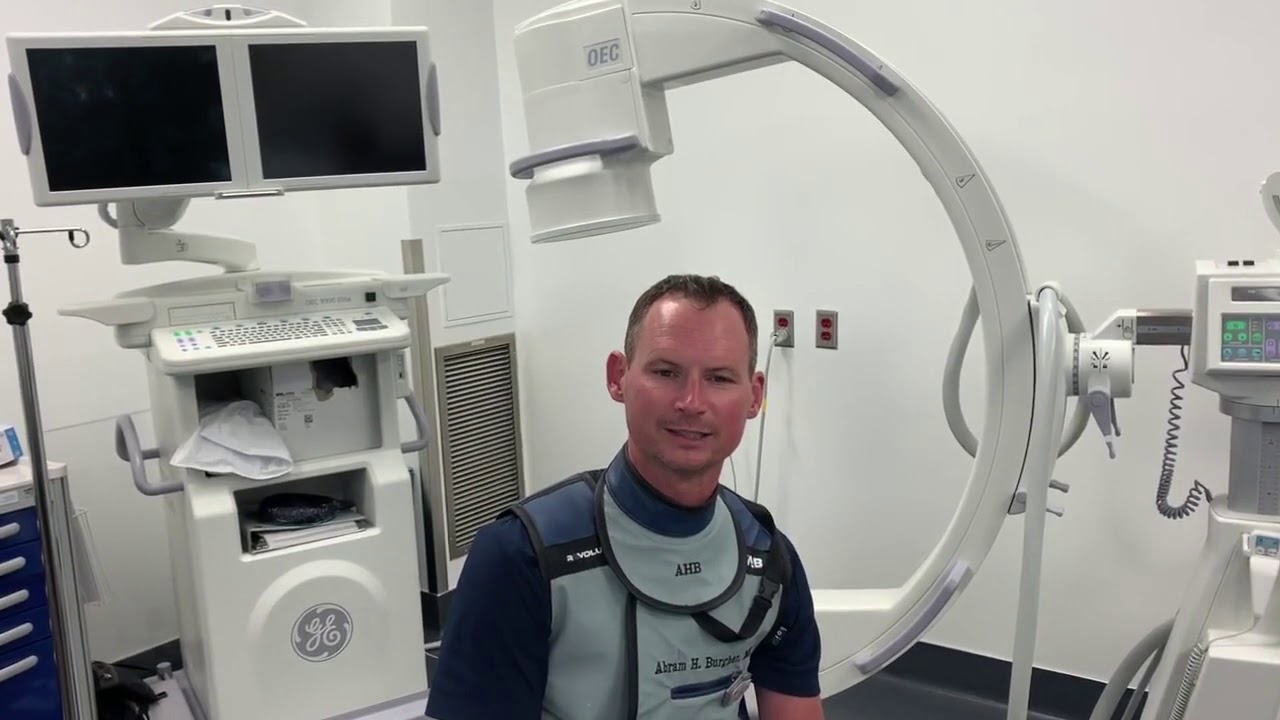
Living with persistent lower back pain, sciatica, or nerve-related discomfort can affect your ability to work, move, sleep, and enjoy everyday activities. When medications, physical therapy, or other conservative treatments do not provide sufficient relief, minimally invasive treatment options may be worth exploring.
The LAND™ (Lumbar Adhesiolysis & Neuroplasty Decompression) procedure is a minimally invasive approach designed to address nerve irritation, inflammation, and scar tissue (adhesions) that may contribute to chronic lower back and leg pain.
At Laser Pain Institute, our goal is to help patients understand their treatment options and explore personalized approaches to managing chronic pain.
Schedule a Consultation to Learn More About the LAND™ Procedure.
The LAND™ procedure is a minimally invasive spinal intervention intended to address adhesions, inflammation, and restrictions around spinal nerves in the lumbar region (lower back).
Scar tissue and inflammation can develop around spinal nerve structures, sometimes following spinal surgery, disc problems, or other degenerative conditions. These changes may contribute to persistent pain, nerve irritation, and limited mobility.
The procedure is designed to help:

The appropriate treatment approach depends on each patient’s condition, medical history, and diagnostic findings.
The LAND™ procedure may be considered for patients experiencing persistent lower back or radiating leg pain associated with certain spinal conditions.
Some patients continue to experience back or leg pain after spinal surgery. Post-surgical scar tissue and nerve irritation may contribute to these symptoms. Adhesiolysis may be considered in selected cases.
Lumbar spinal stenosis occurs when the spaces within the lower spine become narrowed, potentially placing pressure on nearby nerves. This can cause back pain, leg discomfort, numbness, or weakness.
A herniated disc develops when the soft inner material of a spinal disc pushes through its outer layer. Depending on its location, it may irritate or compress nearby nerves and cause radiating leg pain.
Age-related changes in spinal discs can contribute to chronic lower back pain and, in some cases, nerve-related symptoms.
Lumbar radiculopathy occurs when a nerve root in the lower spine becomes irritated or compressed. Symptoms may include shooting pain, tingling, numbness, or weakness that travels into the legs.
Important: Not every patient with these conditions is a candidate for the LAND™ procedure. A proper medical evaluation is necessary to determine whether this treatment is appropriate.
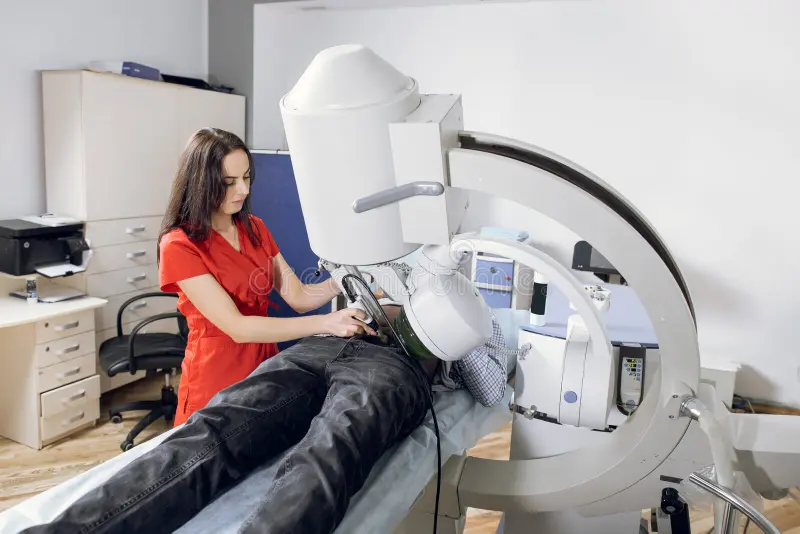
The LAND™ procedure is designed to address adhesions and other factors that may contribute to persistent nerve irritation in the lumbar spine.
Depending on the specific technique used, the treatment may involve the following steps:
The physician reviews your medical history, symptoms, previous treatments, and diagnostic imaging to identify potential sources of pain and determine whether the procedure may be appropriate.
The patient is positioned for the procedure, and the treatment area is prepared using appropriate sterile techniques. Local anesthesia and sedation may be used depending on the clinical approach.
Using imaging guidance, a specialized catheter may be carefully advanced toward the targeted area of the lumbar spine.
The physician uses specialized techniques to address scar tissue adhesions and restrictions around the affected nerve structures. Depending on the procedure, medication may also be delivered to the targeted area to help manage inflammation.
After the procedure, patients are monitored before discharge. Recovery instructions and follow-up recommendations are provided based on individual needs.
For appropriately selected patients, the LAND™ procedure may offer several potential advantages:
Minimally Invasive Approach: Uses specialized techniques rather than traditional open spinal surgery.
Targeted Treatment: Focuses on areas associated with nerve irritation and adhesions.
Potential Pain Relief: May help reduce certain types of chronic lower back and radiating leg pain.
Reduced Recovery Burden: May involve less recovery time than major spinal surgery.
Personalized Care: Treatment can be considered as part of an individualized pain management plan.
Results vary from patient to patient. Pain relief is not guaranteed, and some patients may require additional treatment.
The LAND™ procedure may be worth discussing with a pain management specialist if you:
Recovery experiences vary depending on the treatment performed and the patient’s individual condition.
Some patients may experience temporary soreness or discomfort around the treatment area. Your physician will provide specific instructions regarding activity restrictions, medications, and follow-up care.
Pain relief may develop gradually, and the extent of improvement can differ between individuals.
Following your physician’s recommendations and attending scheduled follow-up appointments can help support your recovery.
No. It is intended as a minimally invasive intervention and does not typically involve the large incisions associated with traditional open spinal surgery.
It may help selected patients whose sciatic symptoms are associated with lumbar nerve irritation and adhesions. A medical evaluation is necessary to identify the underlying cause of sciatica.
Patients with certain types of chronic lower back and radiating leg pain, particularly when adhesions or nerve irritation are suspected, may be evaluated for this procedure.
The duration depends on the treatment technique, targeted area, and individual clinical circumstances. Your physician can provide a more specific estimate during your consultation.
Not necessarily. Anesthesia and sedation requirements depend on the specific technique and the patient's medical needs.
Persistent back pain and nerve-related symptoms do not have to go unexplored. Understanding the source of your discomfort is an important step toward finding an appropriate treatment approach.
At Laser Pain Institute, we focus on helping patients explore personalized pain management options based on their symptoms, medical history, and treatment goals.
Contact Laser Pain Institute today to schedule a consultation and learn whether the LAND™ procedure may be appropriate for your condition.