
At Laser Pain Center, we deliver exceptional results paired with unrivaled patient satisfaction and compassionate care.
- Phone:520-836-8644
- Email: [email protected]
- Arizona, United States
At Laser Pain Center, we deliver exceptional results paired with unrivaled patient satisfaction and compassionate care.
Arizona, USA
Monday - Friday:8am - 5pm
Saturday-Sunday: Closed

Back pain, neck stiffness, joint discomfort, and limited mobility can affect your ability to enjoy everyday activities. Whether you experience occasional discomfort or persistent musculoskeletal pain, finding the right treatment approach can make a meaningful difference in your quality of life.
Chiropractic care is a hands-on healthcare approach focused on evaluating and treating conditions affecting the spine, joints, muscles, and surrounding structures. Through spinal adjustments, joint mobilization, and other manual techniques, chiropractic treatment aims to improve mobility, address certain sources of pain, and support better physical function.
At Laser Pain Institute, our goal is to help patients explore personalized, non-surgical approaches to managing musculoskeletal discomfort and improving mobility.
Schedule a Consultation to Learn More About Chiropractic Care.
Chiropractic care is a healthcare discipline focused on the diagnosis, management, and prevention of certain musculoskeletal conditions, particularly those involving the spine.
Chiropractors use hands-on techniques, including spinal adjustments and joint manipulation, to address restricted movement, joint dysfunction, and musculoskeletal discomfort.
Depending on the patient’s condition, treatment may also include soft tissue techniques, therapeutic exercises, mobility training, and lifestyle recommendations.
Chiropractic care may help:
Treatment recommendations are based on individual symptoms, medical history, and clinical evaluation.
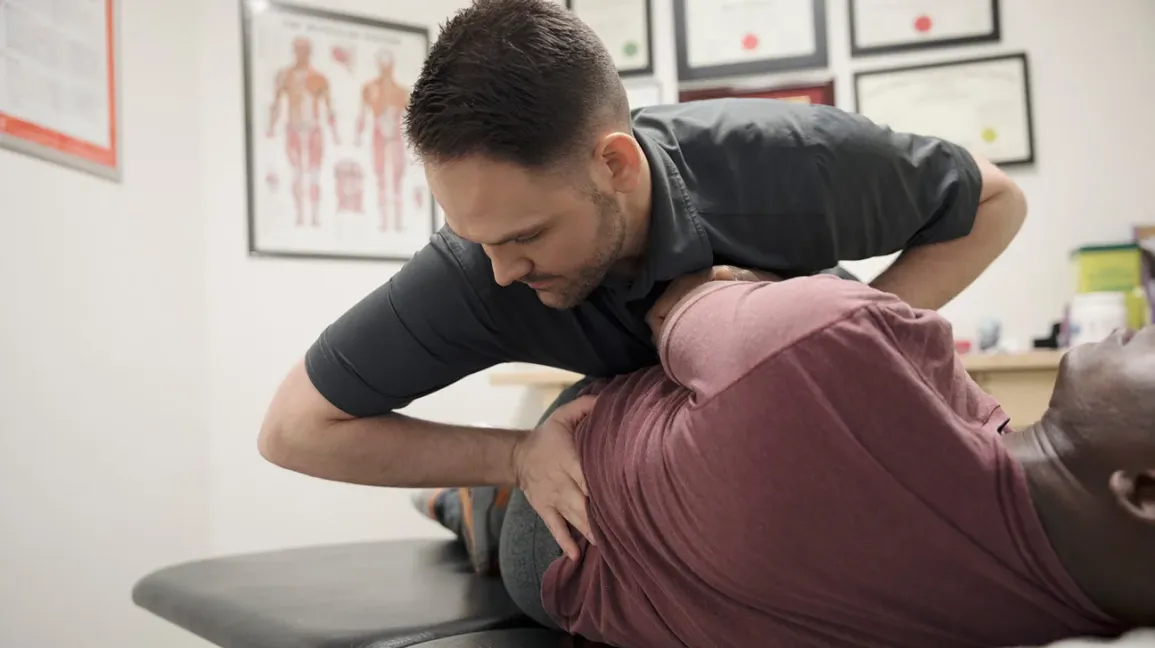
Chiropractic care may be considered for several musculoskeletal conditions, particularly those involving joint stiffness, restricted movement, and certain types of back and neck pain.
Lower back pain can develop due to muscle strain, joint irritation, poor movement mechanics, or other musculoskeletal conditions. Chiropractic treatment may help selected patients manage discomfort and improve spinal mobility.
Prolonged sitting, poor posture, muscle tension, and joint restrictions can contribute to neck discomfort. Appropriate chiropractic techniques may help improve movement and reduce certain types of neck pain.
Sciatica refers to pain that travels along the sciatic nerve, often extending from the lower back into the buttocks and legs. Depending on its underlying cause, selected patients may benefit from conservative chiropractic care.
Certain headaches, including some headaches associated with neck disorders, may be related to muscular tension or restricted cervical movement. Appropriate manual therapy may help selected patients.
Restricted movement in certain joints can cause discomfort and interfere with everyday activities. Joint mobilization and other manual techniques may help improve mobility when clinically appropriate.
Prolonged sitting, repetitive movements, and certain postural habits may contribute to muscular tension and discomfort. Chiropractic care may be combined with corrective exercises and ergonomic recommendations to support better movement habits.
Important: Chiropractic care is not appropriate for every condition or every patient. A proper medical assessment is necessary to identify the source of symptoms and determine whether manual treatment is safe.
Chiropractic treatment is tailored to each patient’s condition, symptoms, and mobility needs.
1. Initial Consultation and Assessment
The chiropractor reviews your medical history, symptoms, previous injuries, and treatment history. A physical examination may be performed to assess posture, joint mobility, muscle function, and movement patterns.
2. Personalized Treatment Plan
Based on the evaluation, the provider develops an individualized treatment plan. This may include spinal adjustments, joint mobilization, soft tissue techniques, or therapeutic exercises.
3. Chiropractic Adjustments
The chiropractor applies controlled, targeted force to specific spinal or other joints to address restricted movement. Techniques may involve manual adjustments or specialized instruments.
4. Mobility and Soft Tissue Therapy
Depending on your needs, treatment may include gentle stretching, muscle relaxation techniques, and joint mobilization to improve flexibility and movement.
5. Rehabilitation and Follow-Up
Your treatment plan may include strengthening exercises, posture recommendations, and movement education to support recovery and help maintain functional improvements.
For appropriately selected patients, chiropractic treatment may offer several potential benefits:
Pain Management: May help reduce certain types of lower back and neck pain.
Improved Mobility: Helps address restricted joint movement and stiffness.
Reduced Muscle Tension: Certain manual techniques may help relieve muscular discomfort.
Better Physical Function: May make everyday movements and activities more comfortable.
Non-Surgical Treatment Option: Provides a conservative approach for certain musculoskeletal conditions.
Personalized Care: Treatment techniques can be adapted to individual symptoms and physical needs.
Results vary depending on the underlying condition, treatment approach, and individual response.
Your first chiropractic appointment generally begins with a detailed consultation and physical assessment.
Depending on your condition, your visit may include:
Your provider will explain the proposed techniques and answer questions before treatment begins.
Chiropractic care may be worth considering if you:
However, chiropractic treatment may not be suitable for individuals with certain fractures, severe osteoporosis, spinal instability, spinal cord compression, or other serious medical conditions.
A qualified healthcare professional should assess your condition and determine the safest treatment approach.
Chiropractic treatment is generally well tolerated when appropriately selected and performed by a qualified professional. However, side effects and complications are possible.
Some patients may experience:
Your provider should discuss the risks, benefits, and alternatives before treatment. You should never feel pressured to undergo a spinal adjustment.
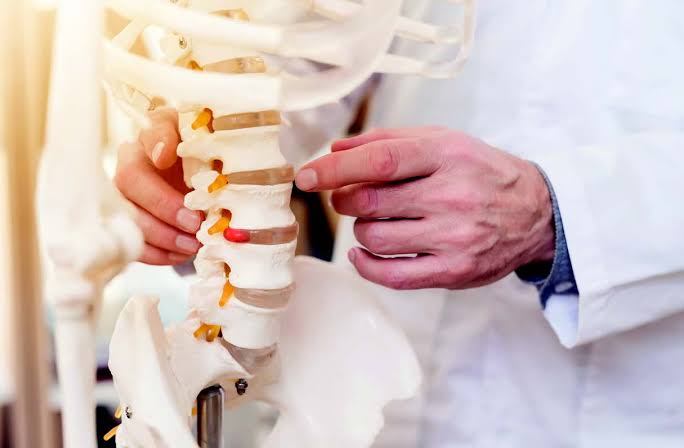
A chiropractor evaluates and treats certain musculoskeletal conditions, particularly those involving the spine and joints. Treatment may include spinal adjustments, joint mobilization, soft tissue techniques, and therapeutic exercises.
Yes. Conventional chiropractic care generally uses hands-on techniques and does not involve surgical incisions. Some techniques involve controlled joint manipulation.
Chiropractic treatment may help selected patients with certain types of lower back pain. The appropriate treatment depends on the cause and severity of the symptoms.
Some patients with sciatica may benefit from conservative manual therapy and exercise. However, sciatica can have several causes, and treatment should be based on an accurate diagnosis.
The number of visits depends on your condition, symptoms, response to treatment, and individual goals. Your provider can recommend a treatment schedule following your evaluation.
Back pain, neck stiffness, and joint discomfort should not have to dictate your daily routine. Understanding the source of your symptoms is the first step toward choosing an appropriate treatment approach.
At Laser Pain Institute, we are committed to helping patients explore personalized solutions for musculoskeletal pain, mobility limitations, and physical discomfort.
Contact our team today to schedule a consultation and learn whether chiropractic care may be appropriate for your needs.