
At Laser Pain Center, we deliver exceptional results paired with unrivaled patient satisfaction and compassionate care.
- Phone:520-836-8644
- Email: [email protected]
- Arizona, United States
At Laser Pain Center, we deliver exceptional results paired with unrivaled patient satisfaction and compassionate care.
Arizona, USA
Monday - Friday:8am - 5pm
Saturday-Sunday: Closed
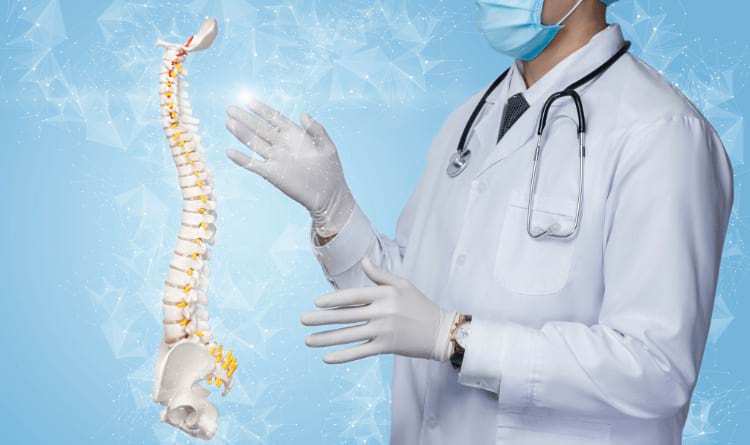
Living with chronic back pain, joint discomfort, muscle injuries, or limited mobility can affect nearly every part of your daily life. Whether your symptoms are related to an injury, age-related changes, or a degenerative condition, finding the right treatment is essential for maintaining an active and comfortable lifestyle.
Orthopedic and spinal care focuses on diagnosing, treating, and managing conditions affecting the musculoskeletal system, including the bones, joints, muscles, ligaments, tendons, and spine.
At Laser Pain Institute, our approach focuses on understanding the underlying cause of your discomfort and exploring personalized treatment options designed to reduce pain, improve mobility, and support better physical function.
Schedule a Consultation to Explore Your Orthopedic and Spinal Care Options.
Orthopedic and spinal care involves the evaluation and treatment of conditions affecting the musculoskeletal system, particularly the bones, joints, muscles, and structures supporting the spine.
Orthopedic conditions may develop because of injuries, repetitive movements, age-related changes, joint degeneration, or underlying medical conditions.
Spinal conditions may involve the vertebrae, intervertebral discs, spinal joints, nerves, and surrounding soft tissues. These conditions can contribute to back pain, neck pain, nerve irritation, stiffness, and difficulty moving comfortably.
The goal of orthopedic and spinal care is to identify the source of symptoms and develop an appropriate treatment plan based on each patient’s medical history, condition, and individual needs.
Treatment may include:
Orthopedic and spinal care may address a wide range of conditions affecting bones, joints, muscles, and nerves.
Chronic back pain may develop from disc degeneration, spinal joint problems, muscle strain, nerve irritation, or other spinal conditions. A proper evaluation helps identify the underlying cause and guide appropriate treatment.
Neck pain can result from muscle tension, joint degeneration, disc problems, injuries, or nerve compression. Treatment focuses on addressing the source of discomfort and improving neck mobility.
A herniated disc occurs when the inner material of a spinal disc pushes through its outer layer. Depending on its location, it may irritate nearby nerves and cause back pain, neck pain, or radiating symptoms in the arms or legs.
Spinal stenosis occurs when the spaces within the spinal canal become narrowed, potentially placing pressure on the spinal nerves. Symptoms may include pain, numbness, tingling, weakness, and difficulty walking.
Osteoarthritis and other degenerative joint conditions can cause cartilage breakdown, inflammation, stiffness, and discomfort. Orthopedic care may help manage symptoms and maintain joint function.
Sports activities and physical strain can result in ligament sprains, muscle injuries, tendon problems, and joint damage. Appropriate evaluation and rehabilitation can help support recovery.
Sciatica refers to pain that travels along the sciatic nerve, commonly extending from the lower back into the buttocks and legs. It can occur when spinal structures irritate or compress nearby nerves.
Age-related changes in spinal discs may contribute to chronic neck or back discomfort, reduced flexibility, and sometimes nerve-related symptoms.
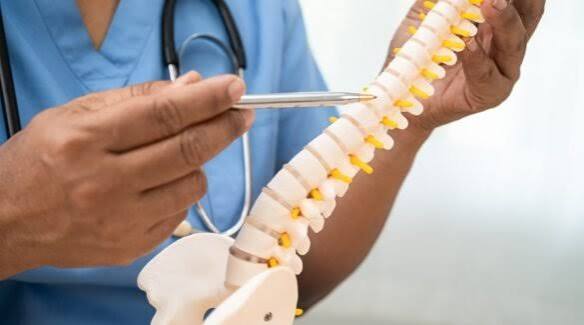
Effective treatment starts with understanding the underlying cause of your symptoms. Your healthcare provider may use a combination of clinical assessments and diagnostic tests to develop an accurate treatment plan.
Your provider reviews your symptoms, previous injuries, medical history, lifestyle, and previous treatments to understand your condition.
A physical examination may include assessments of posture, joint movement, muscle strength, flexibility, balance, and neurological function.
X-rays help evaluate bone structure, joint alignment, fractures, and certain degenerative changes in the spine and joints.
Magnetic Resonance Imaging (MRI) provides detailed images of soft tissues, including spinal discs, nerves, ligaments, muscles, and other structures.
Computed Tomography (CT) scans provide detailed cross-sectional images of bones and can help evaluate certain spinal and orthopedic conditions.
Depending on the symptoms, additional testing such as nerve conduction studies, electromyography (EMG), or laboratory investigations may be recommended.
Not every patient requires every diagnostic test. The appropriate evaluation depends on individual symptoms and clinical findings.
Treatment recommendations depend on the diagnosis, severity of symptoms, overall health, and individual treatment goals.
Many orthopedic and spinal conditions can initially be managed with non-surgical approaches, including:
Certain patients may benefit from targeted procedures designed to manage inflammation and pain associated with specific spinal or joint conditions.
Depending on the diagnosis, options may include:
For selected spinal conditions, minimally invasive procedures may help address specific sources of nerve compression or chronic pain.
Treatment options may include:
MILD® Procedure: Minimally Invasive Lumbar Decompression may help selected patients with lumbar spinal stenosis caused by thickened ligamentum flavum.
LAND™ Procedure: Lumbar Adhesiolysis & Neuroplasty Decompression may be considered for selected patients with chronic pain associated with spinal adhesions and nerve irritation.
For appropriate musculoskeletal conditions, manual therapy, joint mobilization, and other conservative techniques may help improve mobility and manage certain types of discomfort.
When conservative and minimally invasive treatments are not appropriate or effective, a surgical consultation may be recommended to discuss additional treatment options.
A personalized approach to orthopedic and spinal care may offer several benefits:
Accurate Diagnosis: Helps identify the underlying cause of pain and mobility limitations.
Personalized Treatment: Care plans are developed according to individual conditions and needs.
Pain Management: Appropriate treatments may help reduce musculoskeletal discomfort.
Improved Mobility: Treatment and rehabilitation may help improve joint flexibility and movement.
Better Physical Function: Supports patients in returning to everyday activities.
Comprehensive Care: Combines diagnostic evaluation, conservative treatment, and specialized interventions when appropriate.
Long-Term Management: Encourages ongoing care and healthy movement habits to support musculoskeletal health.
Treatment outcomes vary depending on the diagnosis, treatment approach, and individual response.
You may benefit from an orthopedic or spinal evaluation if you:
Experience persistent back or neck pain.
Have recurring joint pain or stiffness.
Experience numbness, tingling, or radiating pain.
Have difficulty walking, standing, or performing everyday activities.
Have experienced a sports injury or musculoskeletal trauma.
Have been diagnosed with a degenerative spinal or joint condition.
Have not achieved sufficient relief with previous treatments.
Early evaluation can help identify the cause of symptoms and determine whether additional treatment is necessary.
Orthopedic and spinal care is often an ongoing process that involves diagnosis, treatment, and follow-up.
Your treatment journey may include:
Initial Evaluation: Review of symptoms, medical history, and physical examination.
Diagnostic Assessment: Imaging or additional testing when clinically indicated.
Treatment Planning: Development of an individualized treatment approach.
Treatment and Rehabilitation: Implementation of appropriate medical interventions, physical therapy, or other recommended treatments.
Follow-Up Care: Monitoring progress and adjusting the treatment plan based on your response.
The goal is to support better mobility, manage symptoms, and improve your ability to participate in everyday activities.
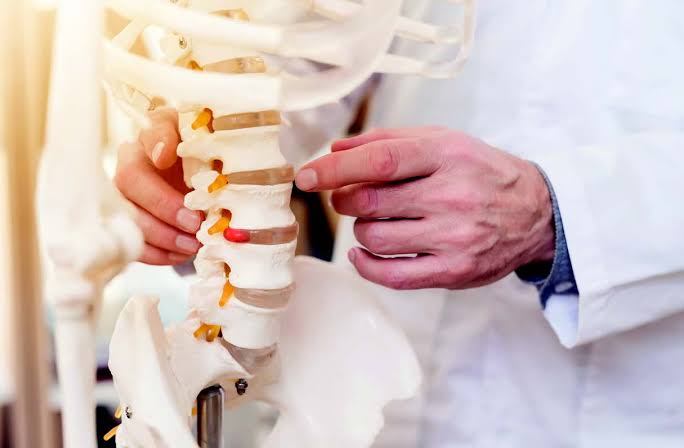
Orthopedic care focuses on the entire musculoskeletal system, including bones, joints, muscles, ligaments, and tendons. Spinal care specifically focuses on conditions affecting the spine, spinal discs, joints, and surrounding nerves.
Consider an evaluation if you experience persistent back pain, neck pain, joint discomfort, limited mobility, recurring injuries, or nerve-related symptoms such as numbness and tingling.
No. Many conditions can be managed with conservative treatments such as physical therapy, medications, rehabilitation, and selected minimally invasive procedures. Surgery may be considered when clinically necessary
Depending on the symptoms, diagnostic testing may include X-rays, MRI scans, CT scans, EMG, or nerve conduction studies. Your provider will recommend appropriate tests based on your condition.
Yes. Certain spinal conditions, including herniated discs and spinal stenosis, can irritate or compress nerves that travel into the legs, causing pain, tingling, numbness, or weakness.
Back pain, neck stiffness, and joint discomfort should not have to dictate your daily routine. Understanding the source of your symptoms is the first step toward choosing an appropriate treatment approach.
At Laser Pain Institute, we are committed to helping patients explore personalized solutions for musculoskeletal pain, mobility limitations, and physical discomfort.
Contact our team today to schedule a consultation and learn whether chiropractic care may be appropriate for your needs.