
At Laser Pain Center, we deliver exceptional results paired with unrivaled patient satisfaction and compassionate care.
- Phone:520-836-8644
- Email: [email protected]
- Arizona, United States
At Laser Pain Center, we deliver exceptional results paired with unrivaled patient satisfaction and compassionate care.
Arizona, USA
Monday - Friday:8am - 5pm
Saturday-Sunday: Closed
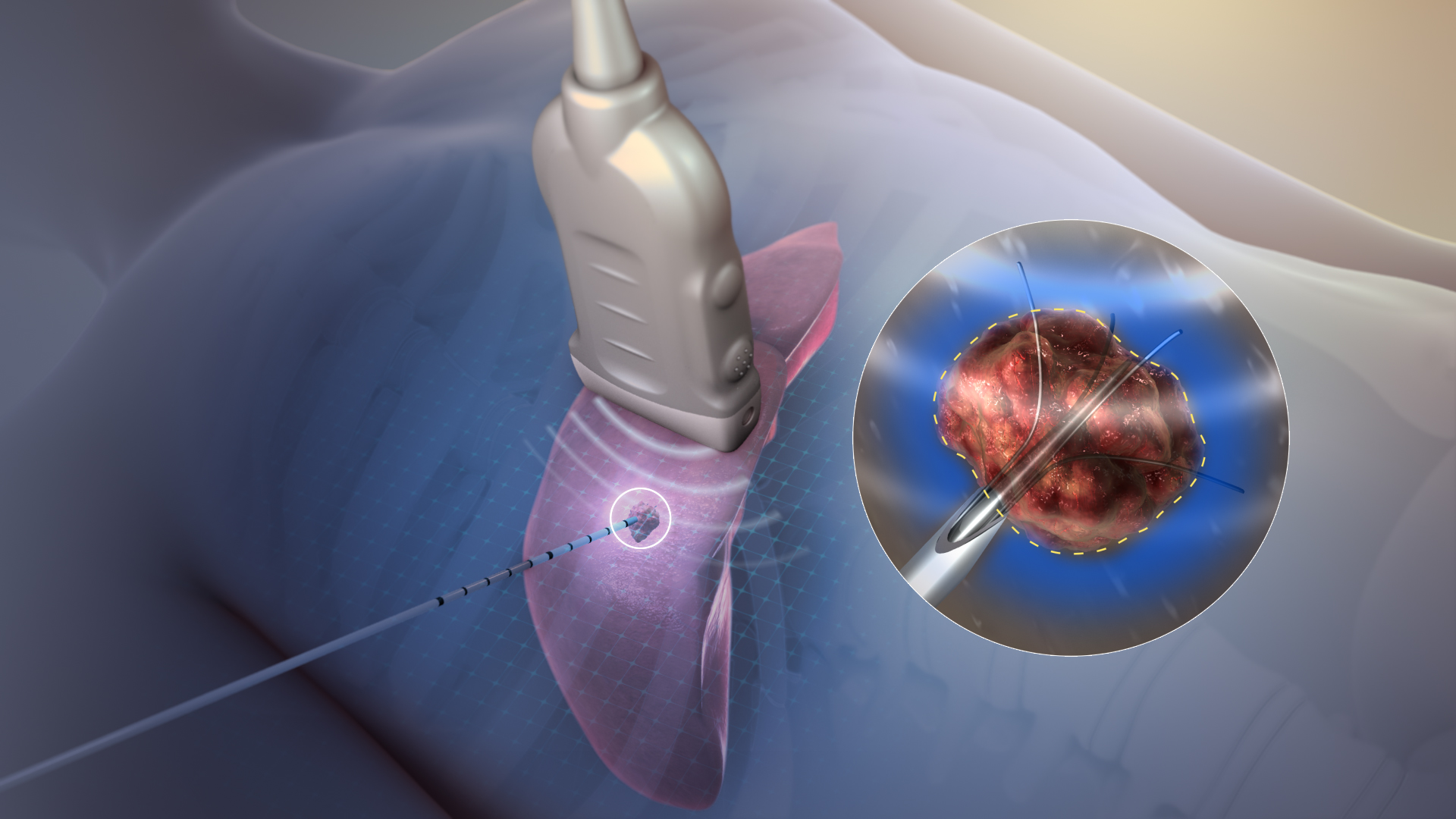
If you are struggling with chronic neck, back, or joint pain that has not responded to conservative care, Radiofrequency Ablation (RFA) may be an option worth discussing with a pain management specialist.
Also known as radiofrequency neurotomy, RFA is a minimally invasive procedure that uses controlled heat generated by radiofrequency energy to target specific nerves responsible for transmitting pain signals. By interrupting the function of selected pain-carrying nerves, the procedure may reduce discomfort and help patients improve their daily activities.
RFA is commonly considered for certain types of chronic spinal and joint-related pain when appropriate conservative treatments have not provided sufficient relief. Depending on the targeted nerves and individual response, pain relief may last several months or longer. Some patients experience relief for 6 to 18 months, although results and duration vary.
Chronic Lower Back Pain
Chronic lower back pain may develop from several conditions, including irritation of the small facet joints in the spine. When diagnostic evaluation suggests that facet joints are contributing to pain, radiofrequency ablation may be considered to target the nerves supplying those joints.
Chronic Neck Pain
Neck pain may be associated with changes in the cervical facet joints or surrounding structures. In selected patients, RFA may help reduce pain signals from the nerves supplying the affected joints.
Facet Joint Pain
Facet joints connect the bones of the spine and help guide movement. Arthritis or other degenerative changes in these joints may cause persistent pain. RFA can target the medial branch nerves that carry pain signals from certain facet joints.
Sacroiliac Joint-Related Pain
The sacroiliac (SI) joints connect the lower spine to the pelvis. In some patients, irritation around these joints can contribute to lower back or buttock pain. Certain radiofrequency techniques may target nerves associated with SI joint pain.
Selected Joint-Related Pain
Depending on the pain source and treatment approach, radiofrequency procedures may also be used for selected peripheral nerves associated with chronic joint pain, including certain cases of knee pain.
1. Initial Consultation and Evaluation
Your treatment begins with a review of your symptoms, medical history, previous treatments, and physical examination. Your provider will assess whether your pain may be related to nerves that can be safely targeted with radiofrequency energy.
2. Diagnostic Nerve Block
For many spinal facet joint procedures, a diagnostic medial branch block may be recommended before RFA. A small amount of local anesthetic is injected near the targeted nerves to determine whether temporarily blocking them reduces the patient’s usual pain.
The response to this test helps the physician decide whether RFA may be appropriate.
3. Preparation for the Procedure
RFA is generally performed in a specialized procedure setting. The treatment area is cleaned, and local anesthesia is used to help minimize discomfort. Sedation may be offered in selected cases.
4. Precise Needle Placement
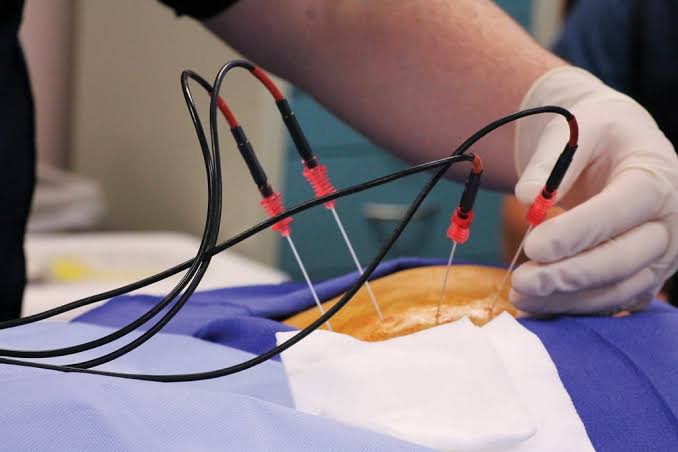
Using imaging guidance, commonly fluoroscopy or ultrasound depending on the procedure, the physician carefully positions a specialized radiofrequency needle near the targeted nerve.
5. Radiofrequency Energy Application
A small electrode is passed through the needle. Controlled radiofrequency energy generates heat at the treatment site, creating a lesion that interrupts the targeted nerve’s ability to transmit pain signals.
6. Recovery and Follow-Up
After the procedure, patients are monitored briefly before going home when outpatient treatment is appropriate. The medical team provides instructions for activity, discomfort management, and follow-up care.
Patients With Chronic Neck or Back Pain
Patients with persistent spinal pain that appears to originate from specific joints or nerve pathways may be evaluated for RFA.
Patients With Confirmed Facet-Mediated Pain
Diagnostic medial branch blocks are commonly used to help identify whether facet joints are a significant source of spinal pain before proceeding with RFA.
Patients Who Have Tried Conservative Treatments
RFA may be considered when options such as physical therapy, medications, activity modification, or other non-surgical treatments have not provided adequate relief.
Patients With Appropriate Diagnostic Results
The suitability of RFA depends on the location and cause of pain, diagnostic findings, medical history, and response to preliminary testing when required.
What to Expect After Radiofrequency Ablation
Immediately After the Procedure
Most patients are monitored for a short period after treatment. Temporary soreness, tenderness, or mild bruising around the needle insertion site may occur.
First Few Days
Some patients experience temporary discomfort or a mild increase in their usual pain before improvement begins. Your physician may recommend appropriate activity modifications and discomfort management.
Following Weeks
Pain relief may develop gradually over several weeks as the targeted nerves’ ability to transmit pain signals is interrupted. Your provider will explain what changes to monitor and when to schedule follow-up.
Long-Term Results
The duration of relief varies. In some patients, targeted nerves gradually regenerate, allowing pain signals to return. If RFA previously provided meaningful relief, another procedure may be an option after reassessment.
Is Radiofrequency Ablation Safe?
Understanding Potential Risks
RFA is generally considered a well-established minimally invasive pain management procedure when performed by a qualified physician. However, like all medical procedures, it has potential risks.
Possible side effects and complications include:
Temporary pain, soreness, or swelling at the treatment site.
Bruising or minor bleeding.
Temporary numbness or tingling.
Temporary nerve irritation or increased sensitivity.
Infection at the needle insertion site.
Rare nerve injury or other procedure-related complications.
Your physician will review the potential risks based on the treatment area, your health history, and the nerves being targeted.
Steroid injections deliver medication to help reduce inflammation around selected structures. RFA uses controlled heat to interrupt pain signals from targeted nerves. The appropriate treatment depends on the underlying cause of pain.
Radiofrequency Ablation vs. Physical Therapy
Physical therapy focuses on improving strength, flexibility, posture, and movement. RFA targets selected pain-carrying nerves. These approaches may be used together as part of a broader pain management plan.
Radiofrequency Ablation vs. Surgery
RFA is a minimally invasive procedure that targets specific nerves and does not correct structural spinal problems. Surgery may be recommended for certain conditions involving significant structural damage, instability, or nerve compression. Your specialist can help determine the appropriate option.
Some patients experience relief for approximately 6 to 18 months, while others may have shorter or longer-lasting results. Relief varies based on the targeted nerves, underlying condition, and individual response.
Local anesthesia is used to reduce discomfort during treatment. Patients may feel pressure or temporary discomfort. Some soreness around the treatment area is common afterward.
The procedure time depends on the number of nerves and treatment areas involved. Your provider can give you a more specific estimate based on your treatment plan.
Pain relief is not always immediate. Some patients notice improvement over the following days or weeks, while others may experience temporary soreness before improvement begins.
Yes. If the targeted nerves regenerate and pain returns after a successful procedure, repeat treatment may be considered following a new clinical evaluation.
Chronic knee pain should not have to prevent you from enjoying everyday activities. If osteoarthritis-related discomfort is affecting your mobility and conservative treatments have not provided sufficient relief, exploring additional treatment options may be worthwhile.
At Laser Pain Institute, we are committed to helping patients understand their conditions and explore personalized approaches to pain management.
Genicular Artery Embolization may offer an additional option for appropriately selected patients seeking a minimally invasive approach to managing chronic knee pain.
Contact Laser Pain Institute today to schedule a consultation and learn whether GAE may be right for you.