
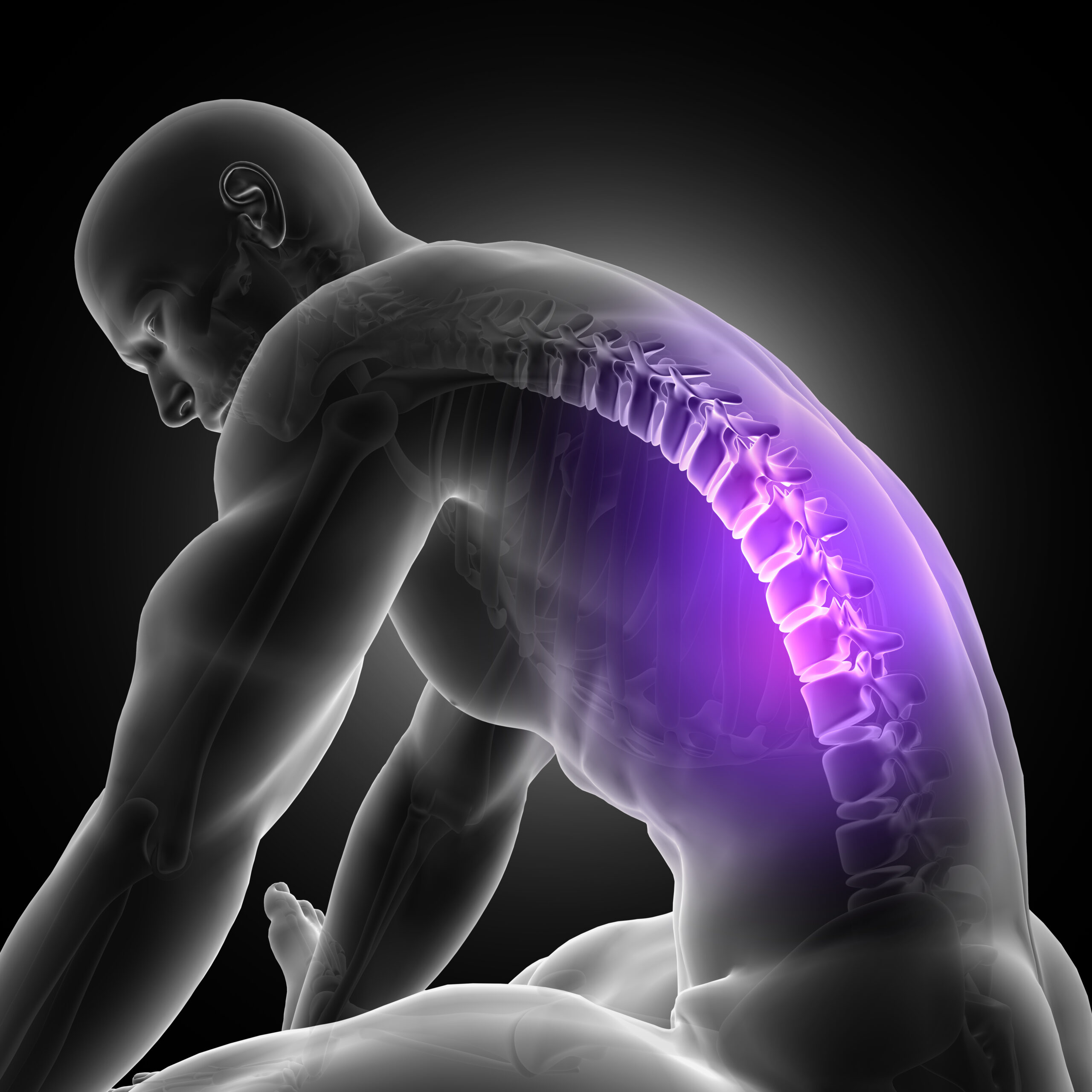
A pinched nerve in the neck can cause sharp or burning pain that travels into the shoulder, arm, or hand. The medical term is cervical radiculopathy. Most cases improve with time and nonsurgical care, but some need a closer look. This guide covers the symptoms, causes, diagnosis, and treatment options.
What is a pinched nerve in the neck?
A pinched nerve in the neck happens when a nerve root is compressed or irritated where it branches off the spinal cord in the cervical spine. The American Academy of Orthopaedic Surgeons (AAOS) explains that this can cause pain that spreads into the shoulder or arm, along with muscle weakness and numbness.
The cervical spine is made up of the seven small vertebrae that form the neck. Nerve roots exit through small openings on each side of the vertebrae called foramen. When those openings narrow or a disk presses on a nerve root, symptoms follow the path of that nerve.
What are the symptoms of a pinched nerve in the neck?
The most common symptom is pain that starts in the neck and travels down the arm, often described as burning or sharp. According to AAOS, certain neck movements, such as extending the neck, straining, or turning the head, may make the pain worse.
Other symptoms include:
- Tingling or “pins and needles” in the fingers or hand
- Weakness in the muscles of the arm, shoulder, or hand
- Numbness or loss of sensation
- Neck stiffness and reduced range of motion
AAOS notes that some people feel less pain when they rest a hand on top of the head, because the position can temporarily relieve pressure on the nerve root.
What causes a pinched nerve in the neck?
Most cases come from age-related wear on the spine or from a herniated disk. AAOS explains that as disks age, they lose height, dry out, and bulge, and the body can form bone spurs that narrow the openings where nerves exit. In younger people, a sudden injury that causes a herniated disk is a more common cause.
MedlinePlus describes cervical spondylosis as age-related wear affecting the disks and bones of the neck, which can press on nerve roots. Degenerative changes are very common. AAOS notes that nearly half of middle-aged and older adults have worn disks and pinched nerves that cause no pain at all, and it is not known why some people develop symptoms and others do not.
If you are unsure whether your problem is a bulging or herniated disk, our article on bulging disc vs. herniated disc explains the difference.
How is a pinched nerve in the neck diagnosed?
Diagnosis starts with a history and physical exam that checks strength, sensation, and reflexes in the arms and hands. AAOS describes how a provider may ask you to move your neck and arms to reproduce or relieve symptoms.
Imaging and nerve tests may be used when needed:
- X-rays show bone alignment and narrowing of the foramen.
- CT scans show bone spurs in more detail.
- MRI shows soft tissues such as disks and nerve roots.
- Electromyography (EMG) and nerve conduction studies help confirm whether symptoms come from a nerve root or from a nerve pinched elsewhere, such as at the elbow or wrist.
AAOS also lists conditions that can mimic a pinched nerve, including some shoulder problems, carpal tunnel syndrome, cubital tunnel syndrome, and heart disease. That is one reason a proper evaluation matters.
How long does a pinched nerve in the neck take to heal?
Many people improve on their own over days to weeks, while others take longer. AAOS states that most patients with cervical radiculopathy get better over time and do not need treatment, and that symptoms can return later and usually improve again.
If pain does not improve, keeps coming back, or interferes with sleep, work, or daily activities, it is time for an evaluation.
What are the treatment options for a pinched nerve in the neck?
Initial treatment is almost always nonsurgical. AAOS lists the main options as physical therapy, medications, short-term use of a soft collar, and steroid injections. Surgery is considered only when nonsurgical care does not relieve symptoms.
Common nonsurgical options include:
- Physical therapy: exercises to relieve pain, strengthen neck muscles, and improve range of motion, sometimes with gentle traction.
- Medications: nonsteroidal anti-inflammatory drugs (NSAIDs) or a short course of oral corticosteroids, as directed by your provider.
- Soft cervical collar: used for a short time only, since long-term use can weaken neck muscles.
- Steroid injections: medication placed near the irritated nerve, such as an epidural, selective nerve root, or facet joint injection. AAOS notes that injections do not relieve the structural pressure, but they may reduce swelling and pain long enough for the nerve to recover.
Laser Pain Institute offers spinal injection therapy, orthopedic spinal care, and chiropractic care. Your provider can explain which options fit your diagnosis.
When should you see a doctor for a pinched nerve in the neck?
See a provider if neck and arm pain lasts more than a few weeks, keeps returning, or comes with numbness, tingling, or weakness. Arm or hand weakness that is getting worse should be evaluated promptly.
Get emergency care right away if neck pain follows a fall, car crash, or other injury, or if you have trouble walking, loss of balance, loss of bladder or bowel control, or chest pain. Pain that spreads to the arm can sometimes come from the heart, not the neck.
Ready to find the source of your neck and arm pain? Call Laser Pain Institute at (520) 836-8644 or contact us online to schedule an evaluation.
Frequently asked questions
What does a pinched nerve in the neck feel like?
It often feels like sharp or burning pain that travels from the neck into the shoulder, arm, or hand. Tingling, numbness, and arm or hand weakness are also common.
Can a pinched nerve in the neck heal on its own?
Often, yes. Most people with cervical radiculopathy improve over time with rest and nonsurgical care, though symptoms can return later.
Can a pinched nerve in the neck cause arm or hand weakness?
Yes. Along with pain, tingling, and numbness, a pinched nerve can weaken muscles in the arm, shoulder, or hand. Weakness that is getting worse should be evaluated promptly.
What tests diagnose a pinched nerve in the neck?
A physical exam comes first. Depending on your symptoms, a provider may order X-rays, a CT scan, an MRI, or EMG and nerve conduction studies.
Do steroid injections help a pinched nerve in the neck?
They may. Injections near the irritated nerve can reduce swelling and pain long enough for the nerve to recover, though they do not change the structural cause.
When is surgery needed for a pinched nerve in the neck?
Surgery is generally considered only when nonsurgical treatment does not relieve symptoms after a period of time, or when there is significant nerve weakness.
Sources
- American Academy of Orthopaedic Surgeons, OrthoInfo: Cervical Radiculopathy (Pinched Nerve)
- MedlinePlus (National Library of Medicine): Cervical spondylosis
- MedlinePlus (National Library of Medicine): Neck Injuries and Disorders
This article is general health information, not medical advice. Book an evaluation with a qualified provider for a diagnosis and treatment plan.

Comments are closed